

01 · Small home, 1-2 bed
fully installed
6.6 kWsolar
30 kWhstorage
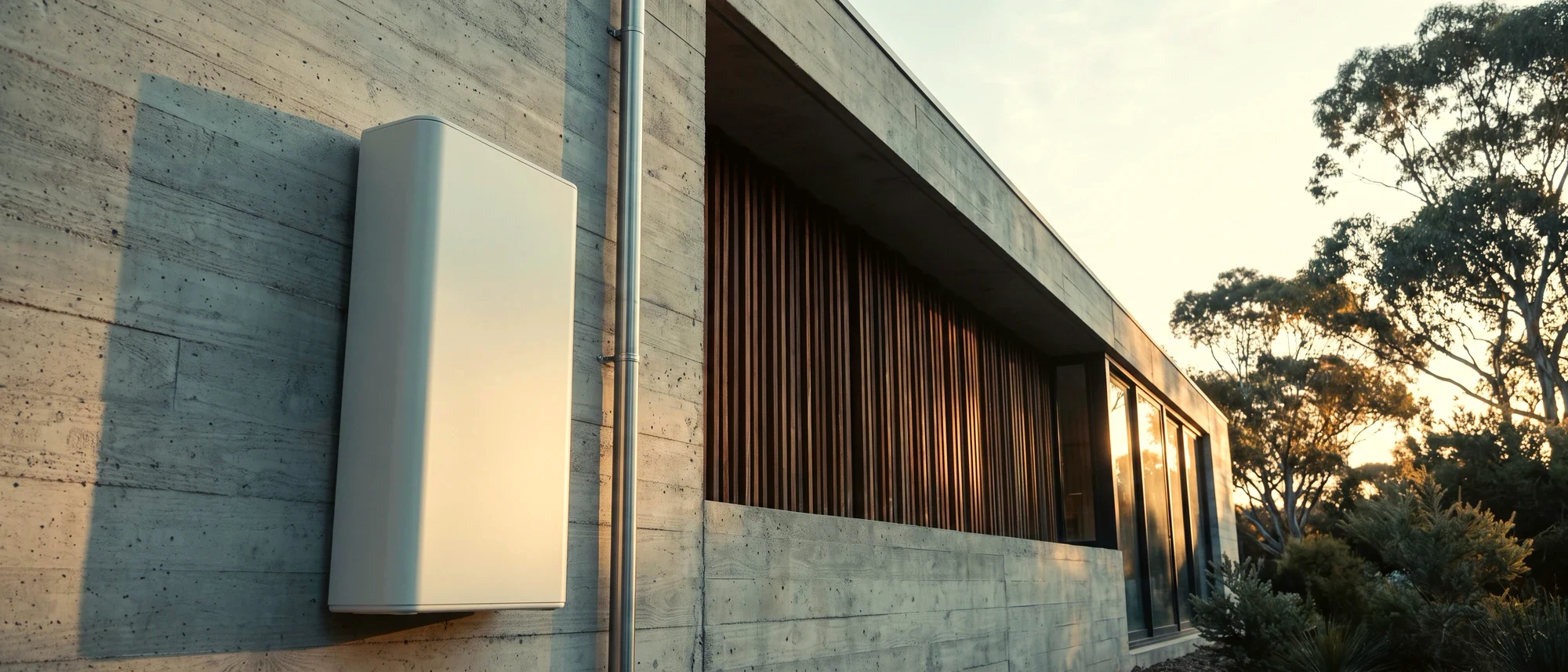
Every package is built around lithium iron phosphate storage. 30 kWh on a small home, 42 kWh on a big one, sized to cover the evening peak and the night after it. Priced up front, installed by New Ability Energy.
01 · Small home, 1-2 bed
fully installed
02 · Big home, 3-4 bed
fully installed
03 · Got land?
No package price. We assess the site first.
Every price here is a starting point. What it costs at your address is something we work out on site. Commercial
What people ask us first
Nothing below is a number we cannot show you the source of.
Lithium iron phosphate cells, 30 kWh on the small home and 42 kWh on the big one. You get the brand name before you commit, not after.
New Ability Energy. Our parent company, their own electricians, on their own books. Not a subcontractor found for the week.
New Ability Energy has been an electrical contractor for ten years and holds the contract and the warranty on every system we sell.
Yes. Our quotes include installation and a close look at your eligibility, your infrastructure and your bill. No hidden costs.
Check what applies
The Commonwealth discount, the New South Wales scheme and 0% finance each carry their own conditions. Five questions sort out which ones your property meets. Nothing is sent anywhere: the answers stay in this browser.
This is a first pass, not an approval. Solar Up runs the eligibility check properly before anyone quotes you, and the application is yours to lodge.
Your system
Every figure on this page moves with it, including the one in the bar and the one on your quote. None of them is final until we have looked at the place.
Solar Up buys at volume as an authorised distributor and New Ability Energy installs in-house rather than through a subcontractor. That is where the price comes from.
That figure is where this system starts. What it costs at your address depends on your roof, your switchboard, your orientation and your tariff, so we look at all of it before anyone quotes you.
The price on this page is where a system starts. What it costs at your address depends on your roof, your tariff and how you actually use power, so we model that first.
 01
01
That is the whole ask. There is no pricing gate and no phone number to hand over before you are allowed to see a number.
 02
02
One conversation to understand the house. One recent bill, because a bill carries how you actually use power rather than how a brochure assumes you do.
 03
03
Your roof, your orientation, your tariff and how you use power through the day. The system is sized against that data rather than against the package you happened to click.
04
We walk you through what the design does and what it does not do, in your numbers. If it does not make sense for your house, we will say so.
 05
05
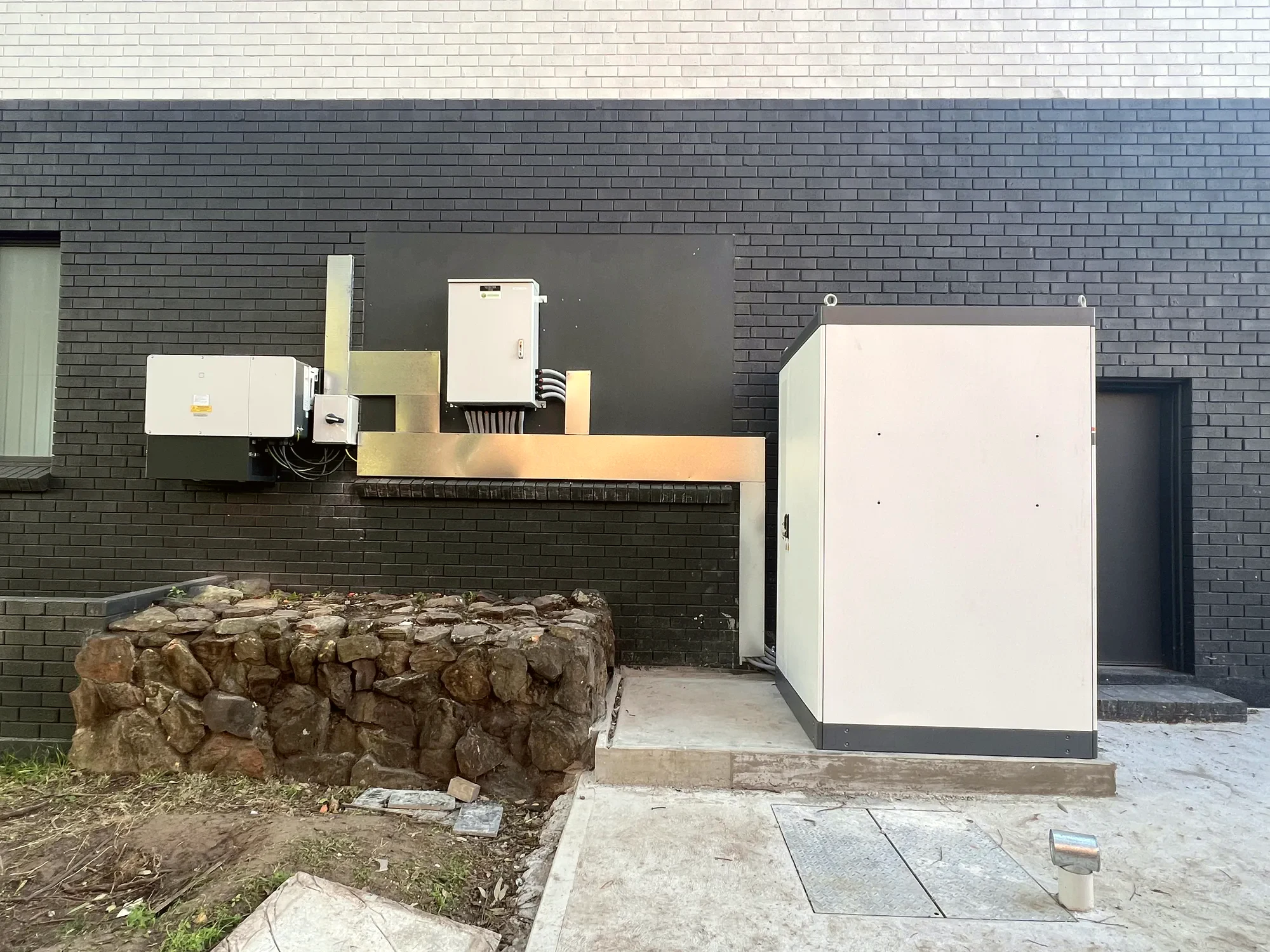
New Ability Energy's own crew, working to one plan. They hold the contract, the licence and the warranty on the finished system.
Then a number you can check, for your house.
Recent work
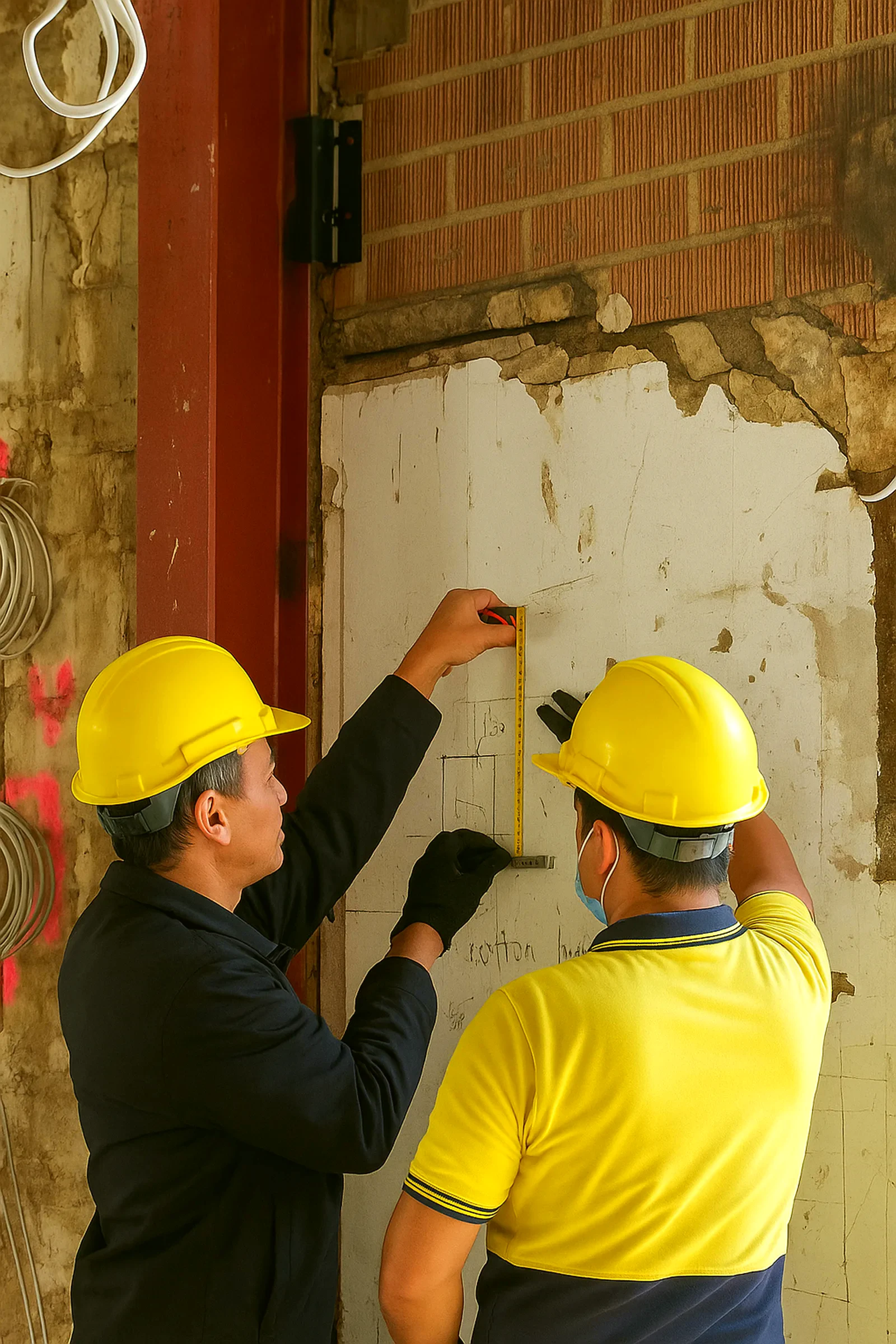
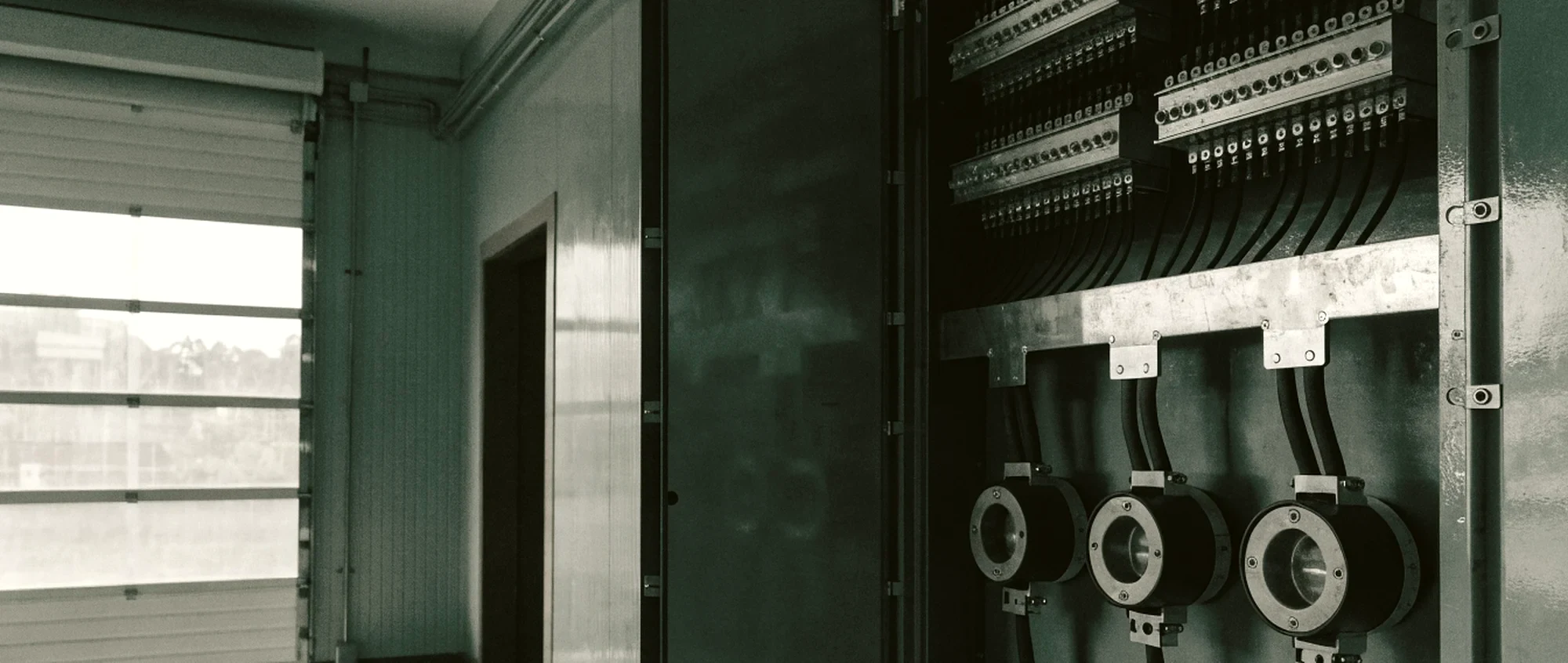
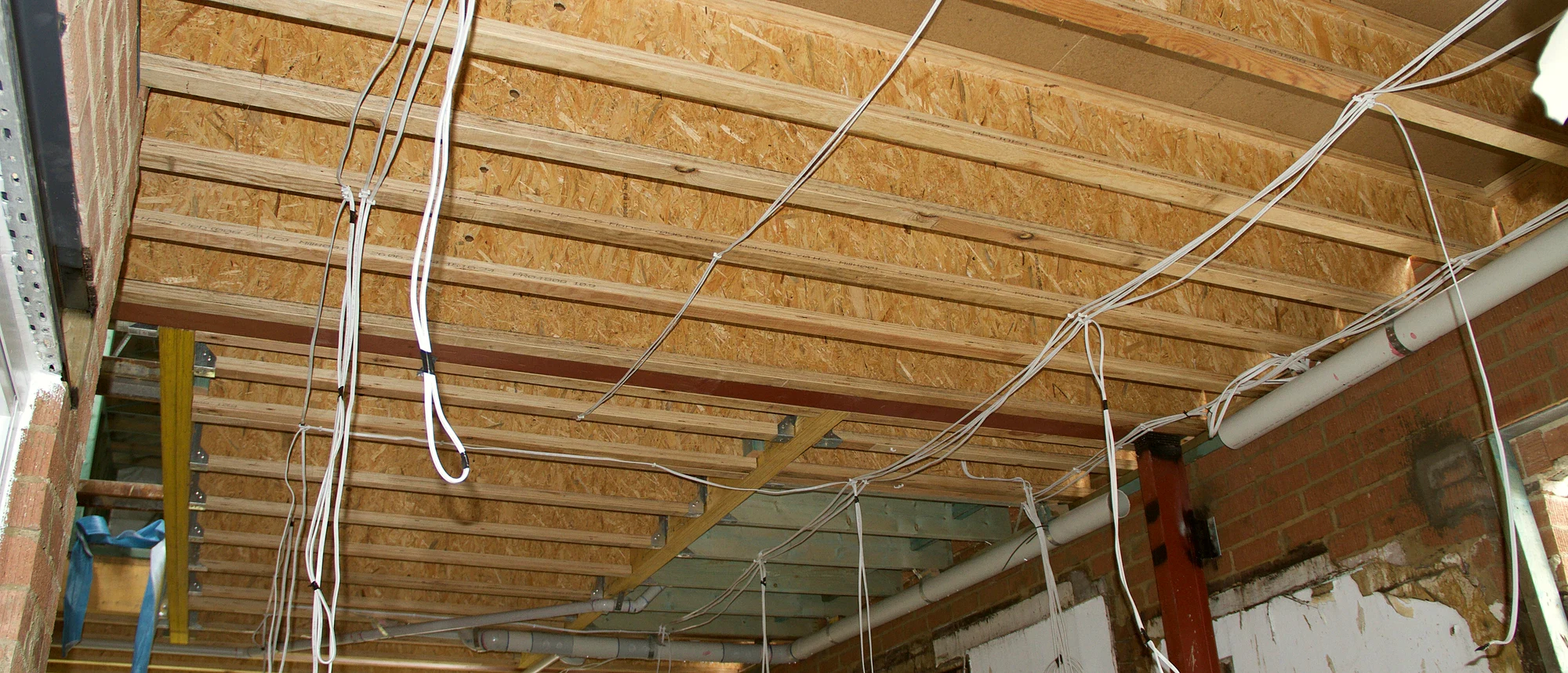
No renders and no stock photography. Battery and solar installs carried out by New Ability Energy, the electrical contractor that puts in every system we sell.
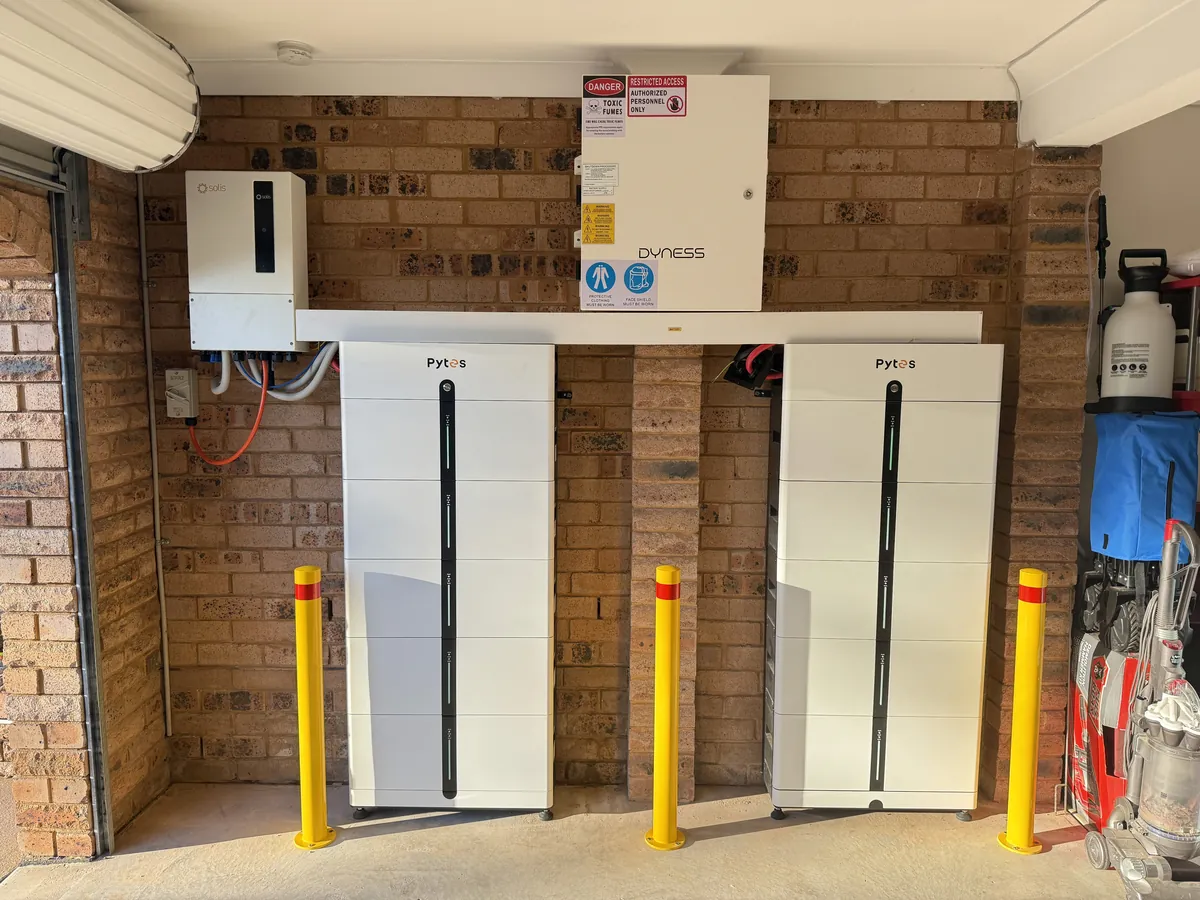
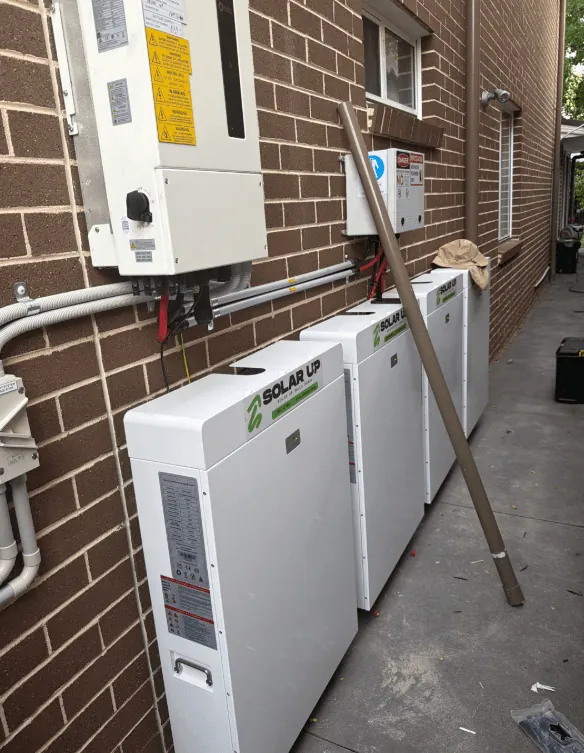
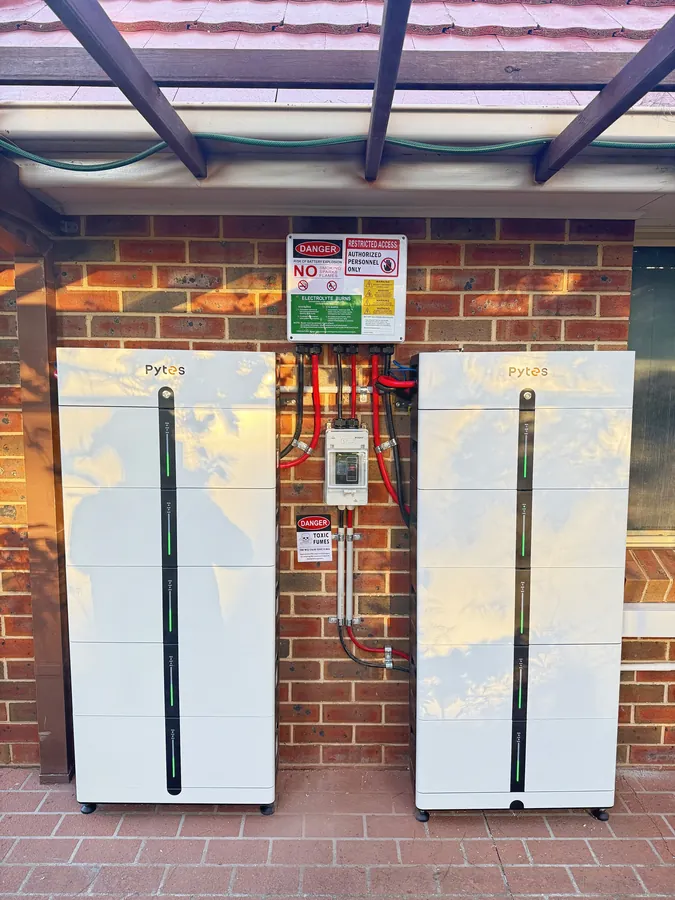
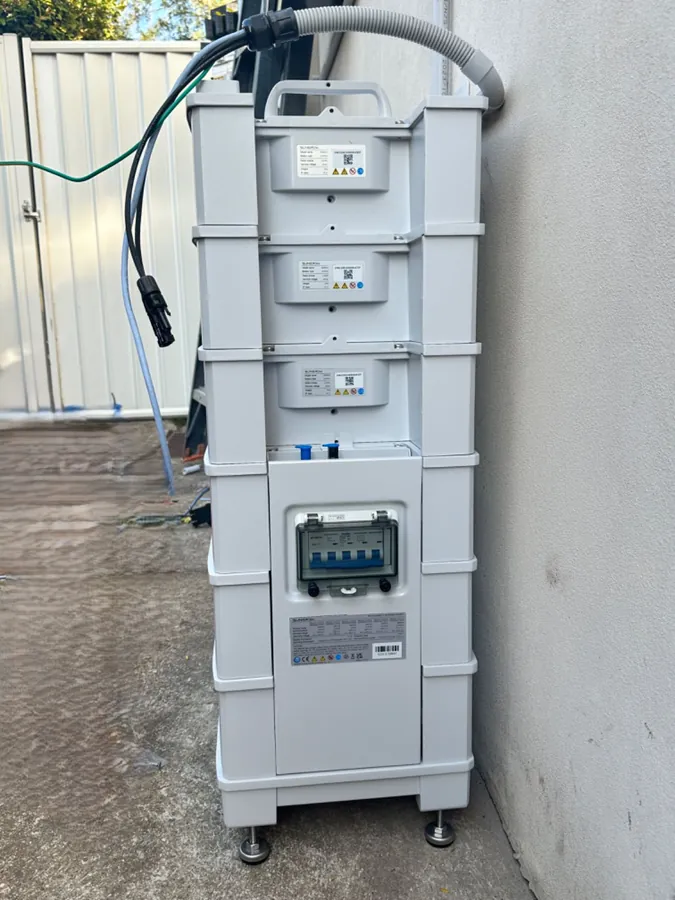
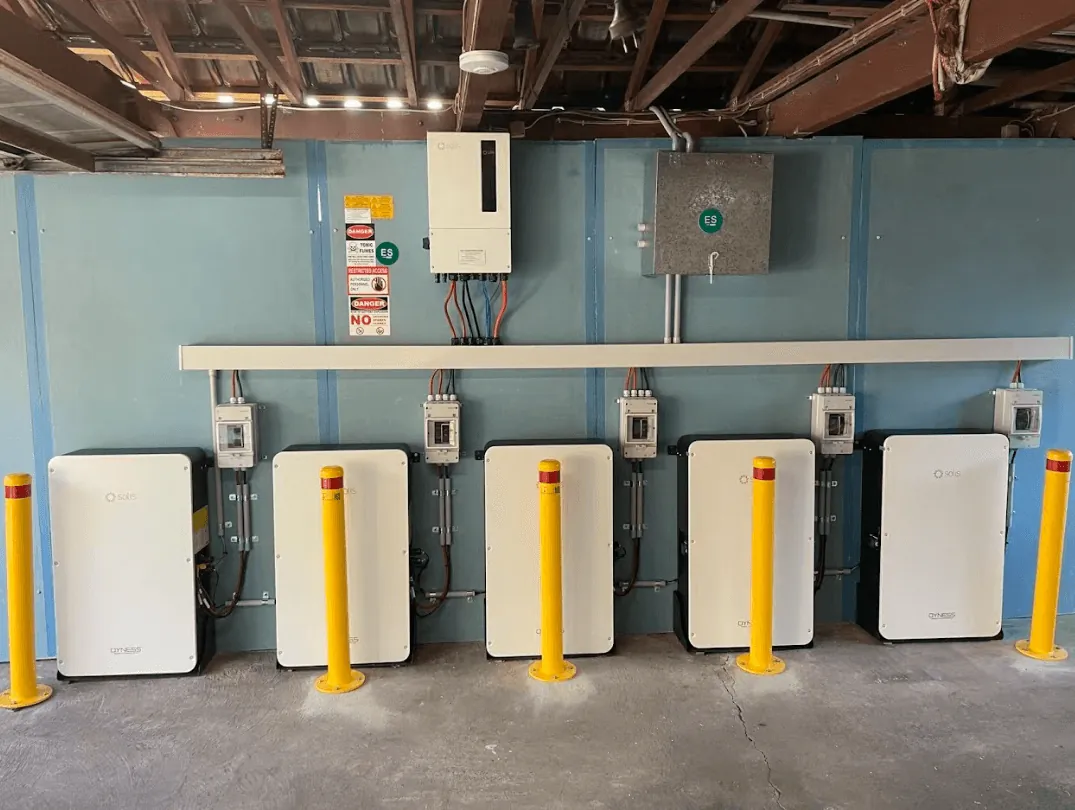
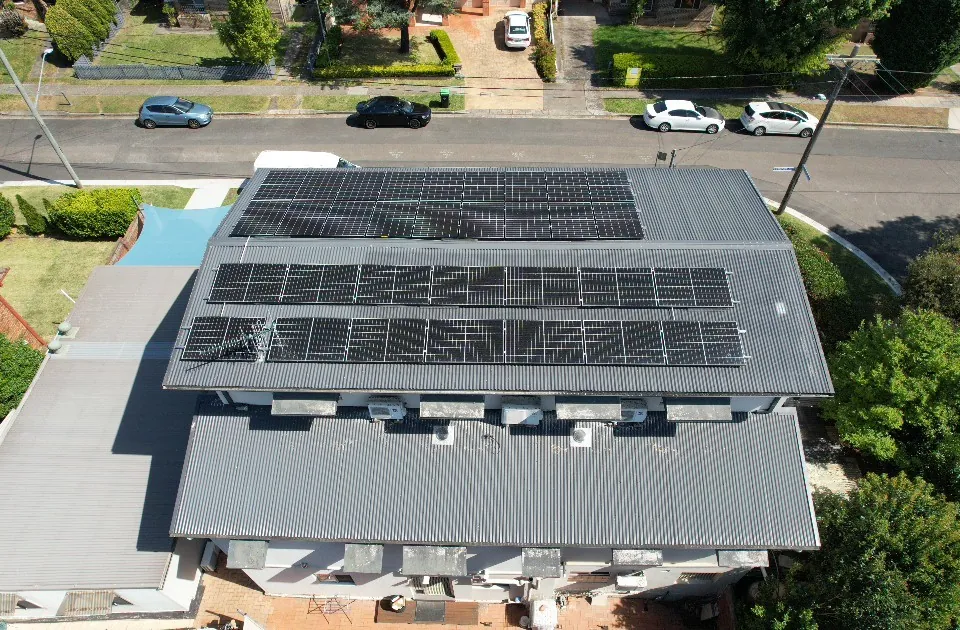
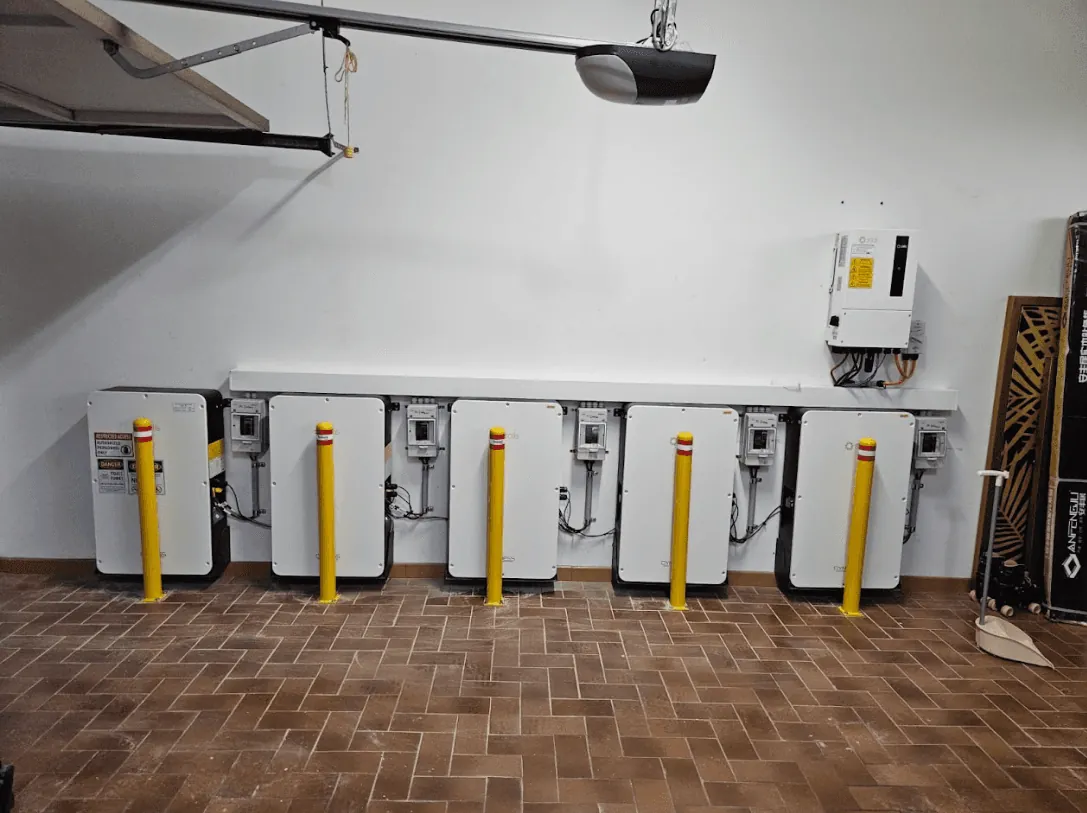
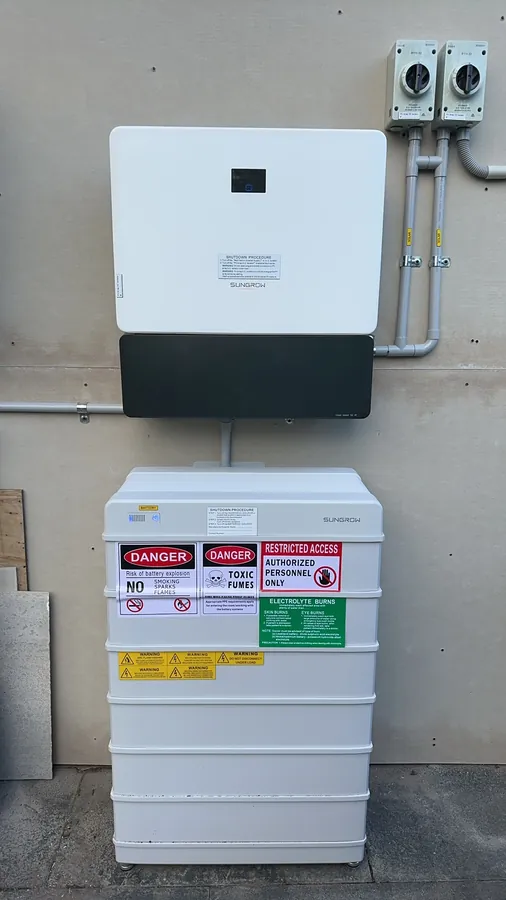
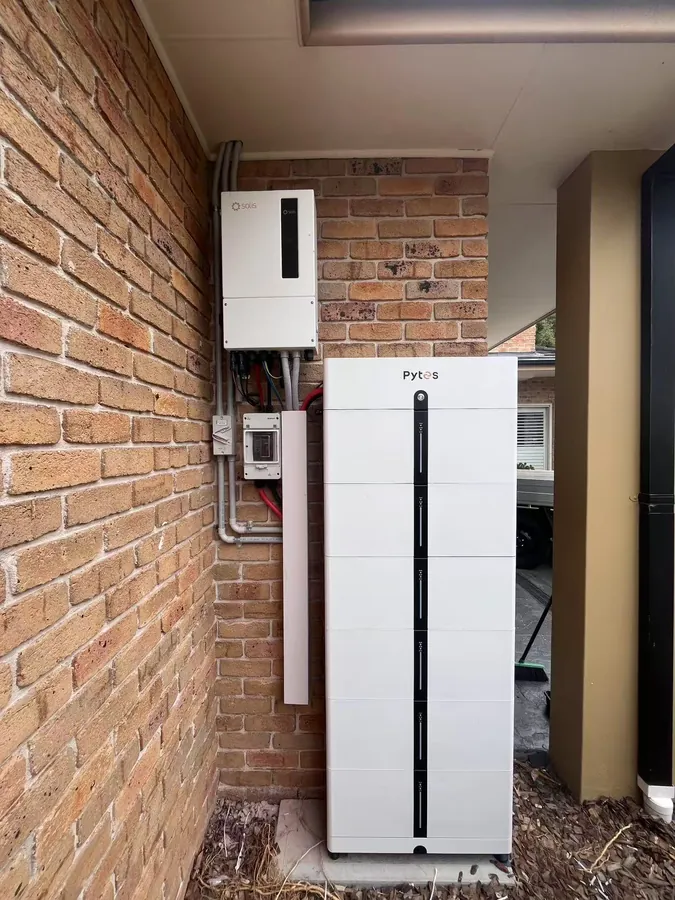
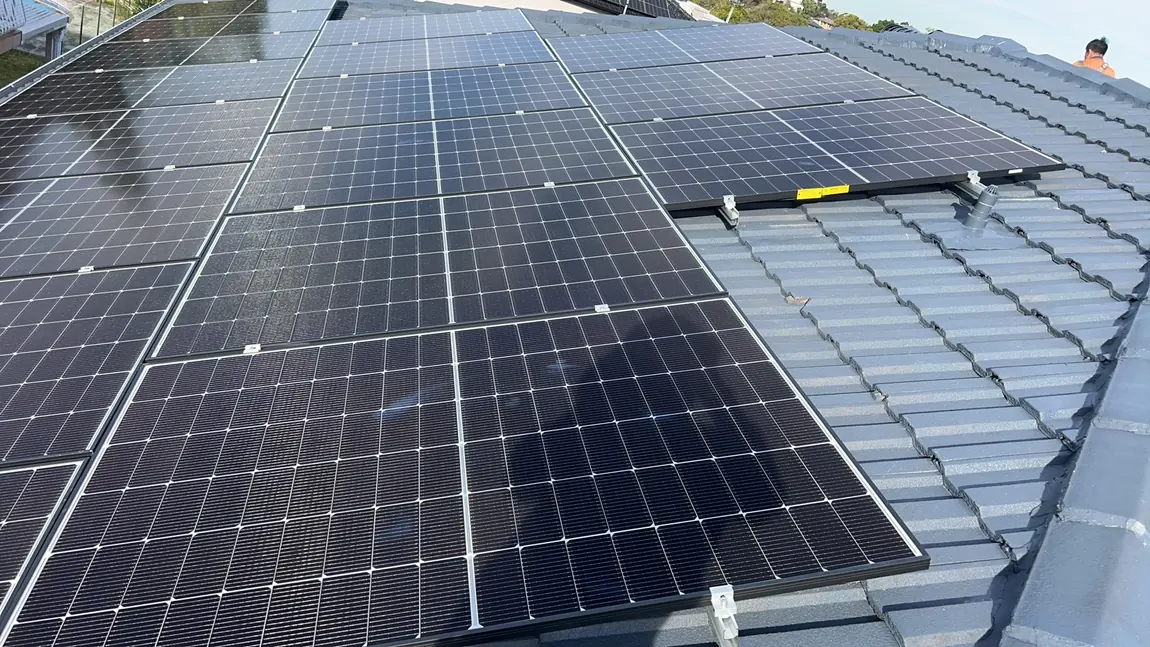
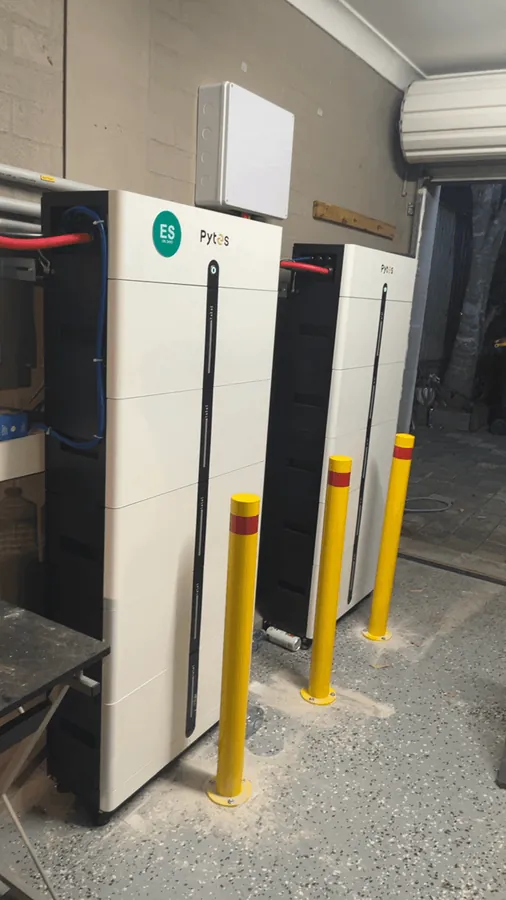
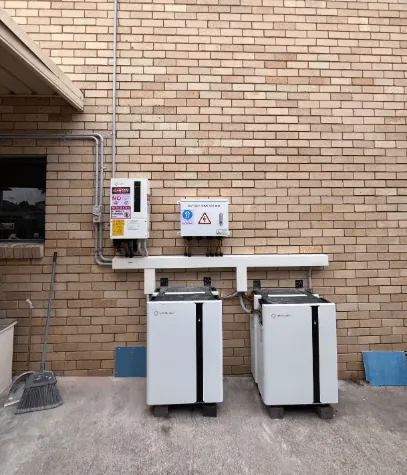
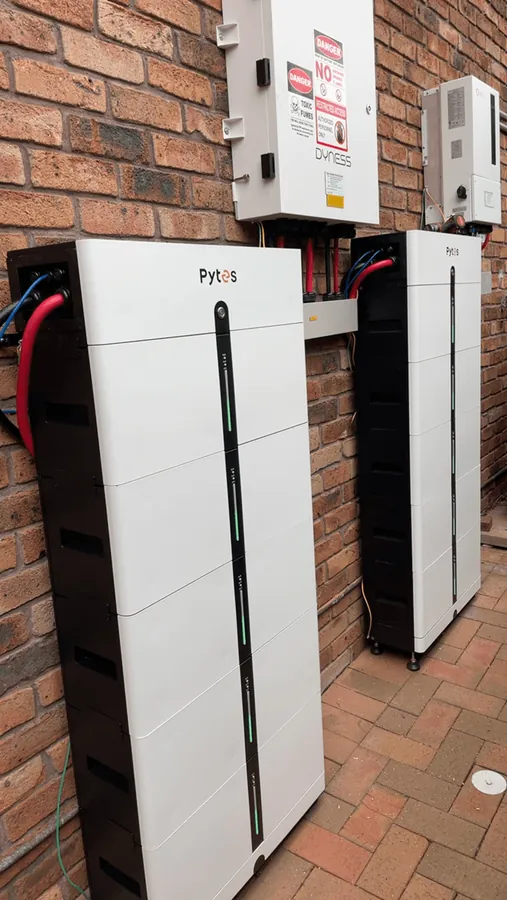
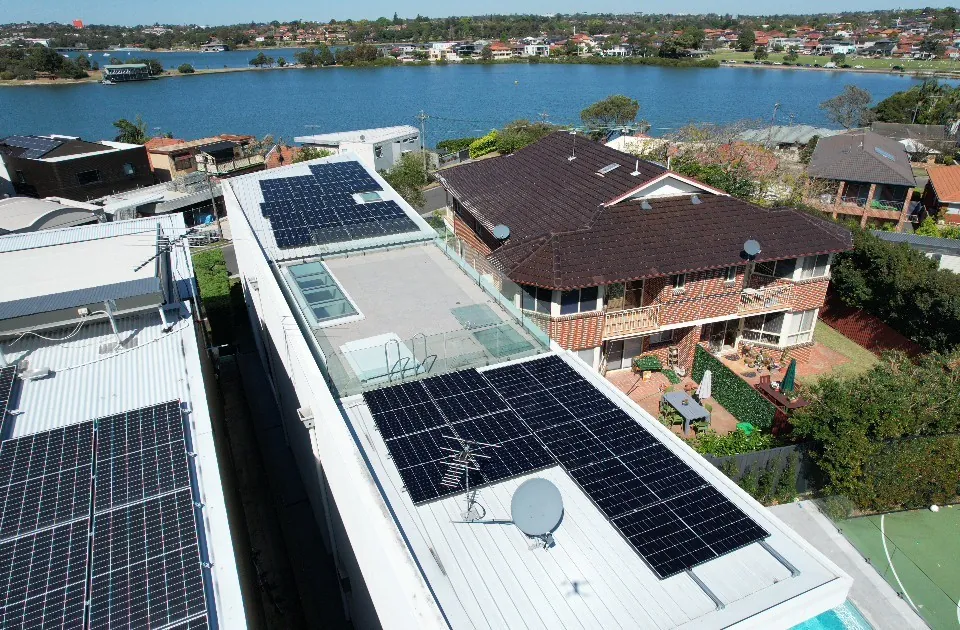
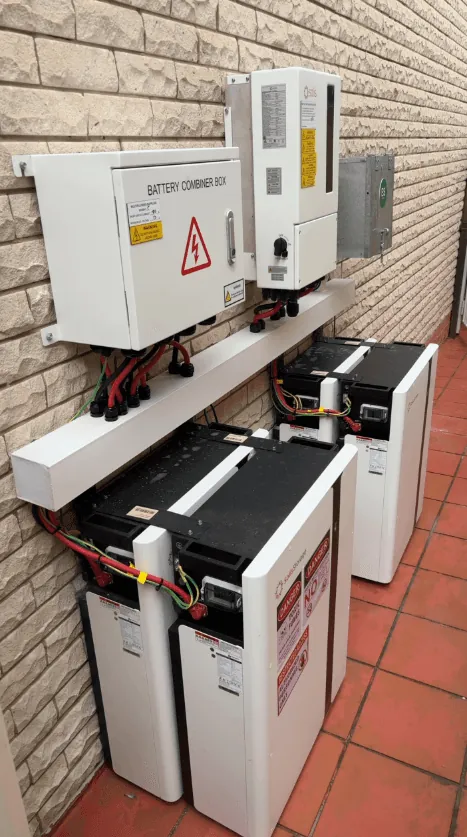
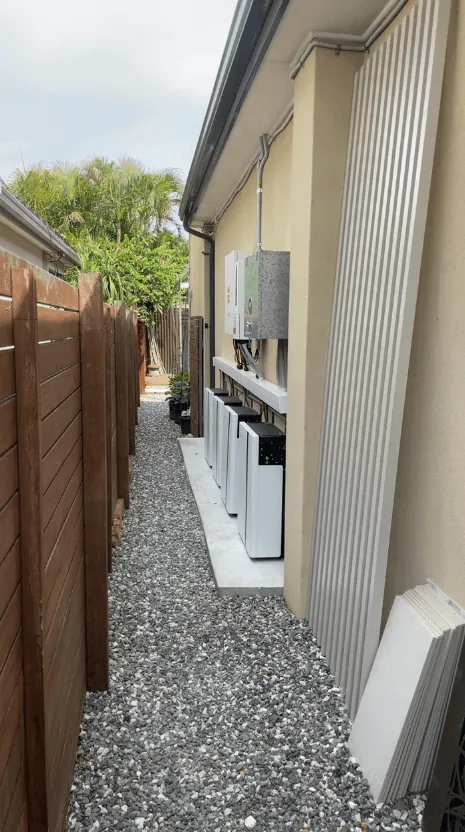
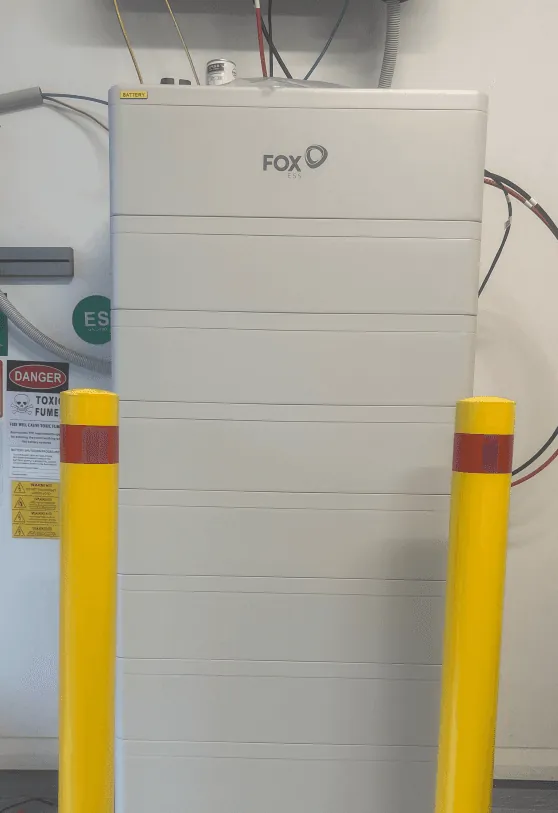
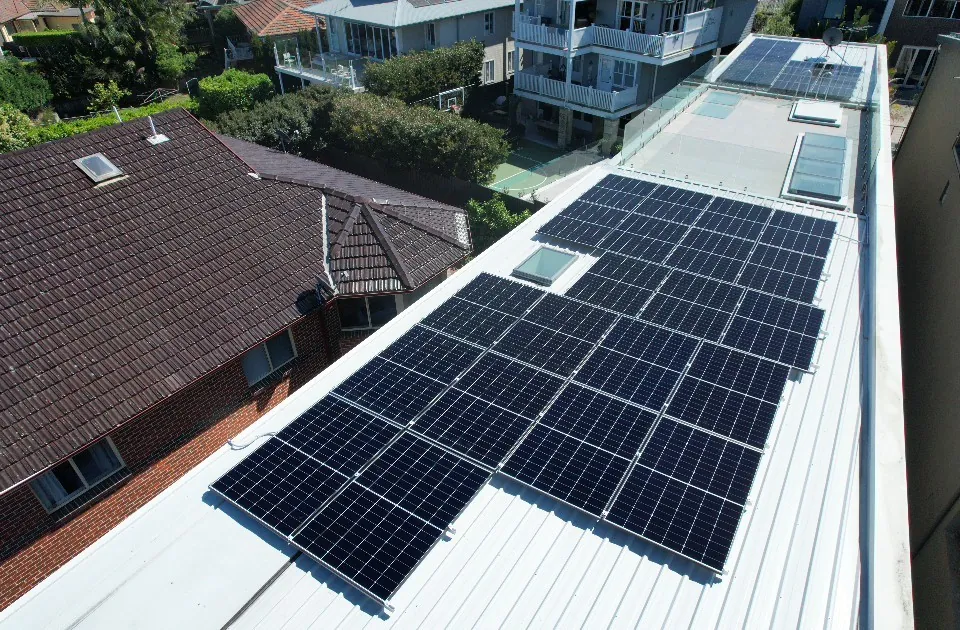
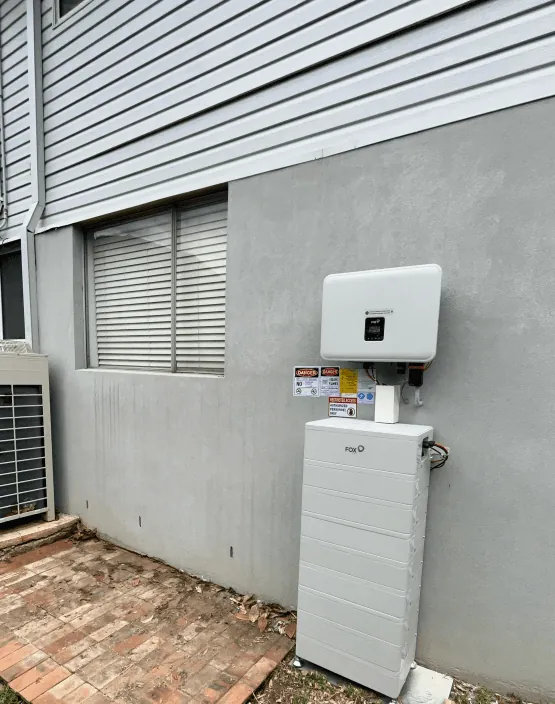
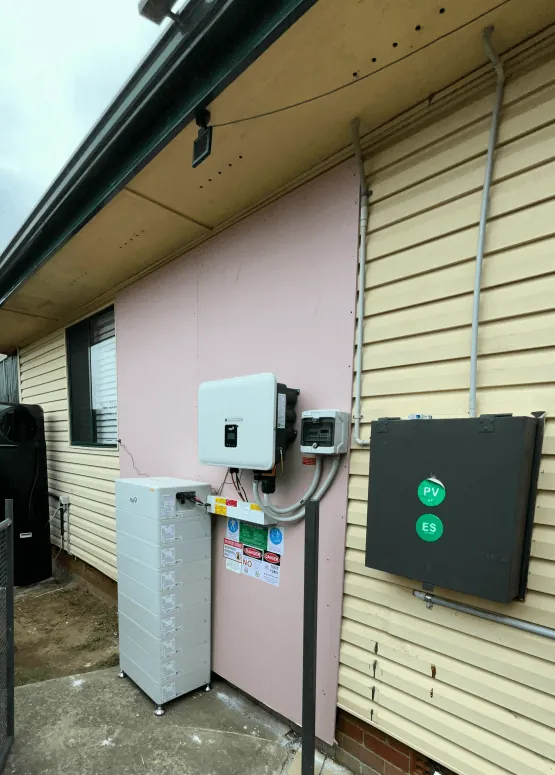
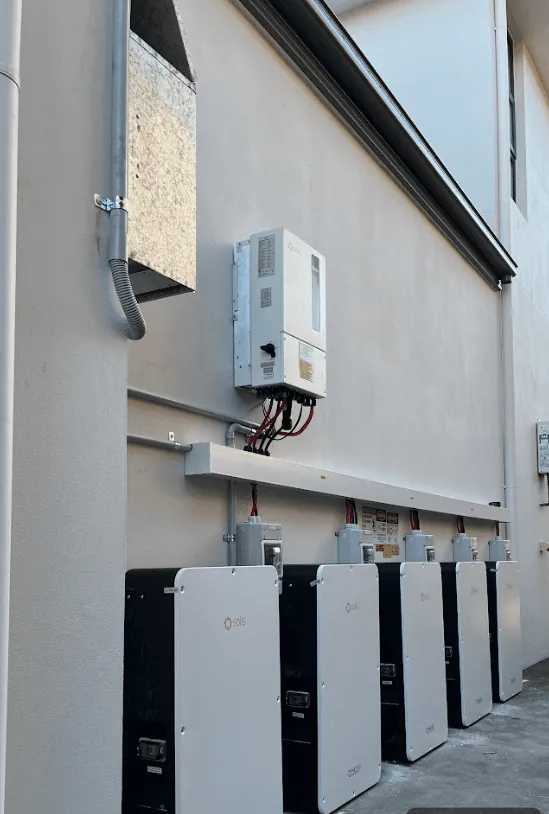
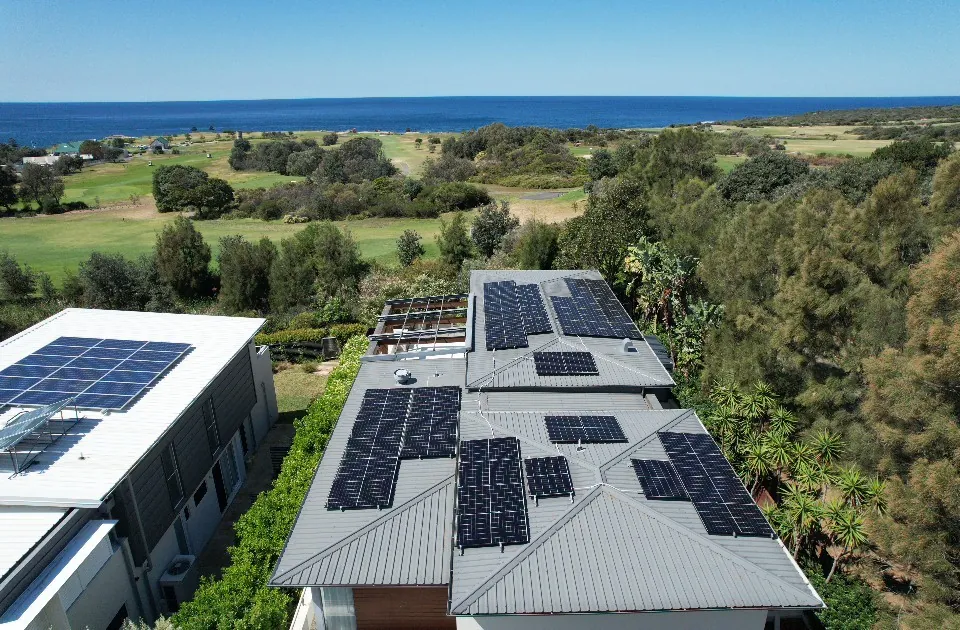
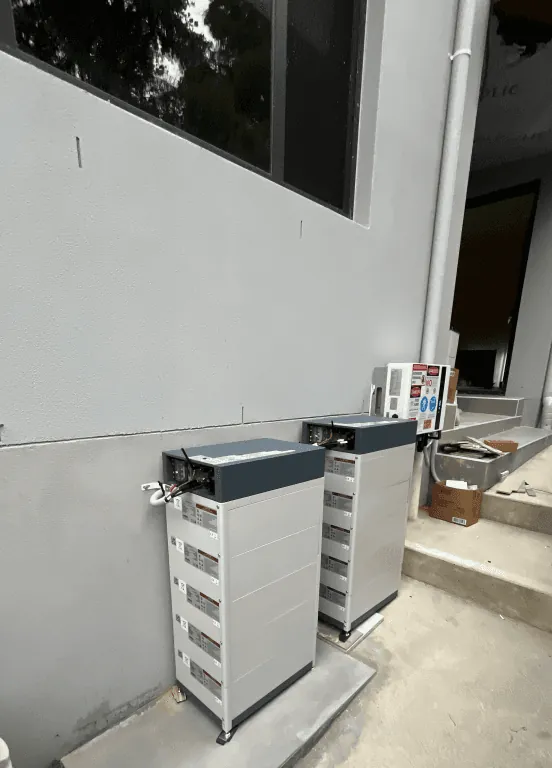
Bollards, signage and isolators are in these photographs because they are part of the install, not because anything was staged for the camera.
Accredited and certified
Solar Up sells the system. New Ability Energy holds the accreditations, does the install, and carries the contract and the warranty. These are the ones that apply to your job.
 Clean Energy Council
Member
Clean Energy Council
Member
 Clean Energy Council
Accredited Batteries
Clean Energy Council
Accredited Batteries
 Solar Accreditation Australia
SAA Accredited Installer
Solar Accreditation Australia
SAA Accredited Installer
 New Energy Tech Consumer Code
Approved Seller
New Energy Tech Consumer Code
Approved Seller
 Smart Energy Council
Member
Smart Energy Council
Member
 Tesla
Powerwall Certified Installer
Tesla
Powerwall Certified Installer
 Sigenergy
Certified Installer
Sigenergy
Certified Installer
Every accreditation shown is held by New Ability Energy. Marks are the property of their issuing bodies and are shown to identify accreditations held.

New South Wales, September 2026
The Commonwealth takes about 30% off the cost of a home battery, and the certificates that fund it are on a published schedule that steps down every year. The state discount that used to sit beside it has closed to households. So the question is no longer whether there is help, it is how much of it is still on the table.
off the upfront installed cost
certificates per kWh, now vs January
of the factor, by band
off the upfront cost
Verified against the primary sources on 2 September 2026. Dollar ranges are worked from the published certificate factor at $38 to $40 a certificate.
The register
What every scheme covers, who administers it, and a link to the source the figure came from. Including the two that did not fit in the frame above.
Worth about $5,900 to $6,200 on a 30 kWh system, $6,300 to $6,700 on 42 kWh.
Commonwealth · home batteries
The Commonwealth discounts a home battery by around 30% of what it costs to install, delivered as small-scale certificates that come off the invoice rather than as a cheque you chase later. Batteries from 5 kWh to 100 kWh qualify, certificates are claimable on the first 50 kWh, and the battery has to go in with solar, new or existing. Clean Energy Regulator
About $950 to $1,100 less on the same battery if you wait until January.
Commonwealth · the reason today matters
The certificate factor behind that discount is legislated on a declining schedule: 8.4 per kWh to April 2026, 6.8 from May to December 2026, 5.7 from January 2027, and down to 2.1 by 2030. It is not a sale and nothing is running out. It is a published table, and the number on it is larger this year than next. Clean Energy Regulator
About $260 a kWh to 14 kWh, $155 to 28 kWh, $40 after that.
Commonwealth · from 1 May 2026
Since 1 May 2026 the certificates are tiered. The first 14 kWh earns the full factor, everything from 14 to 28 kWh earns 60% of it, and 28 to 50 kWh earns 15%. A bigger battery still earns more in total, but not proportionally, which is exactly why the sizing conversation happens before the quote. Clean Energy Regulator
Around $37,000 on a small business system, on the state's own worked example.
State · business and apartment buildings
From 1 September 2026 NSW cuts the upfront cost of a battery by around 20 to 40% for businesses, and for owners corporations in buildings of four or more units. Business systems run from 20 kWh to 30,000 kWh; apartment systems from 20 to 200 kWh. It does not cover a standard house, and we will say so rather than let you assume it does. NSW Government
Nothing, now. It is the one people are still waiting on.
State · what people still ask about
NSW ran its own battery installation discount for households and has now withdrawn it. The Commonwealth program is what replaced it. If you have been waiting for the state rebate to come back before you move, that is the thing worth knowing. NSW Climate and Energy Action
A repayment instead of a bill. The difference is that a repayment ends.
Not a rebate. It is what makes people go ahead.
If you qualify for 0% finance there is nothing to pay on the day. The balance after the discounts is paid off over time, so what leaves your account is a repayment on something you will end up owning rather than a bill for electricity you have already used. One financial check, done before you commit to anything.
Which of these your address can actually use depends on the battery, the solar already on the site and the building. We check that against what is running this month and tell you what applies, not what might.
The application is yours to make and yours to sign. We assemble it: the system details, the compliance paperwork and the certificate assignment, ready to go, so the part you sign is the only part you have to think about.
Where a scheme runs on certificates the value is assigned at installation and shows as a reduction on what you pay. There is nothing to claim back afterwards and nothing to chase.