
The inverter decides more than the panel does
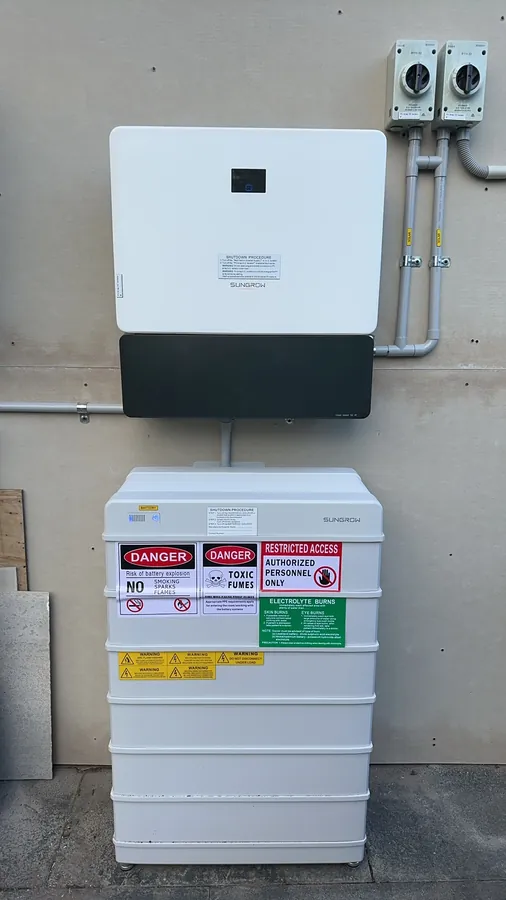
The panel is the part everyone compares. The inverter is the part that sets what the system produces, what it is allowed to send back, and whether storage can be added later.
The part that gets compared, and the part that decides
Most quotes lead with the panel. It is the visible part, it carries a brand, and it drops neatly into a comparison table.
The inverter does the work the panel cannot. Panels produce direct current. A house and the grid both run on alternating current, so everything the array makes passes through the inverter before it is worth anything.
That makes it the one component setting the ceiling on what the system delivers.
What the inverter actually sets
The maximum alternating current output. An array can be rated above the inverter feeding it, and at the brightest part of the day the surplus is not converted. That is a design decision when it is deliberate, and a loss when nobody mentioned it.
What the system is allowed to send back. Export limits are set by the network in your area and enforced in the inverter's settings, not by the panels.
What you can see. Monitoring comes from the inverter, so the detail you get for the next ten years is fixed on the day the inverter is chosen.
Whether storage can be added without replacing anything. A hybrid inverter is built to take a battery later. A string inverter with no provision for one means a second unit or a swap.
The rules it has to meet
Any inverter connected to the grid in Australia has to comply with AS/NZS 4777.2, the standard covering inverter requirements for grid-connected energy systems.1
It also has to appear on the Clean Energy Council list of approved inverters for the installation to be eligible for small-scale certificates.2
Both are pass or fail. An inverter meeting neither is not a saving, it is an ineligible installation.
The warranty that is easy to miss
A quote usually carries more than one warranty. The panels have theirs, the inverter has its own, and the workmanship is a third.
They are rarely the same length, and the inverter's is the one worth reading, because it is the component doing continuous work.
New Ability Energy carries the workmanship warranty on every Solar Up installation for 5 years. That is separate from whatever the manufacturer offers on the hardware, and it is the one we answer for.
Five questions worth asking
Is the inverter on the Clean Energy Council approved list.
What is the array rated at, what is the inverter rated at, and was the difference between them chosen on purpose.
What is the export limit at this address, and what has the inverter been set to.
If a battery is added in three years, does this inverter take it, or does it get replaced.
Who holds the inverter warranty, and for how long.
Sources
- AS/NZS 4777.2, Grid connection of energy systems via inverters, Part 2: Inverter requirements. Standards Australia.
- Approved inverters. Clean Energy Council.
We check this for your address
Incentives change, and they change by building, by capacity and by whether there is already solar on the site. Working out which ones apply to you is part of the design, not an extra.