
Why lithium iron phosphate, in plain words
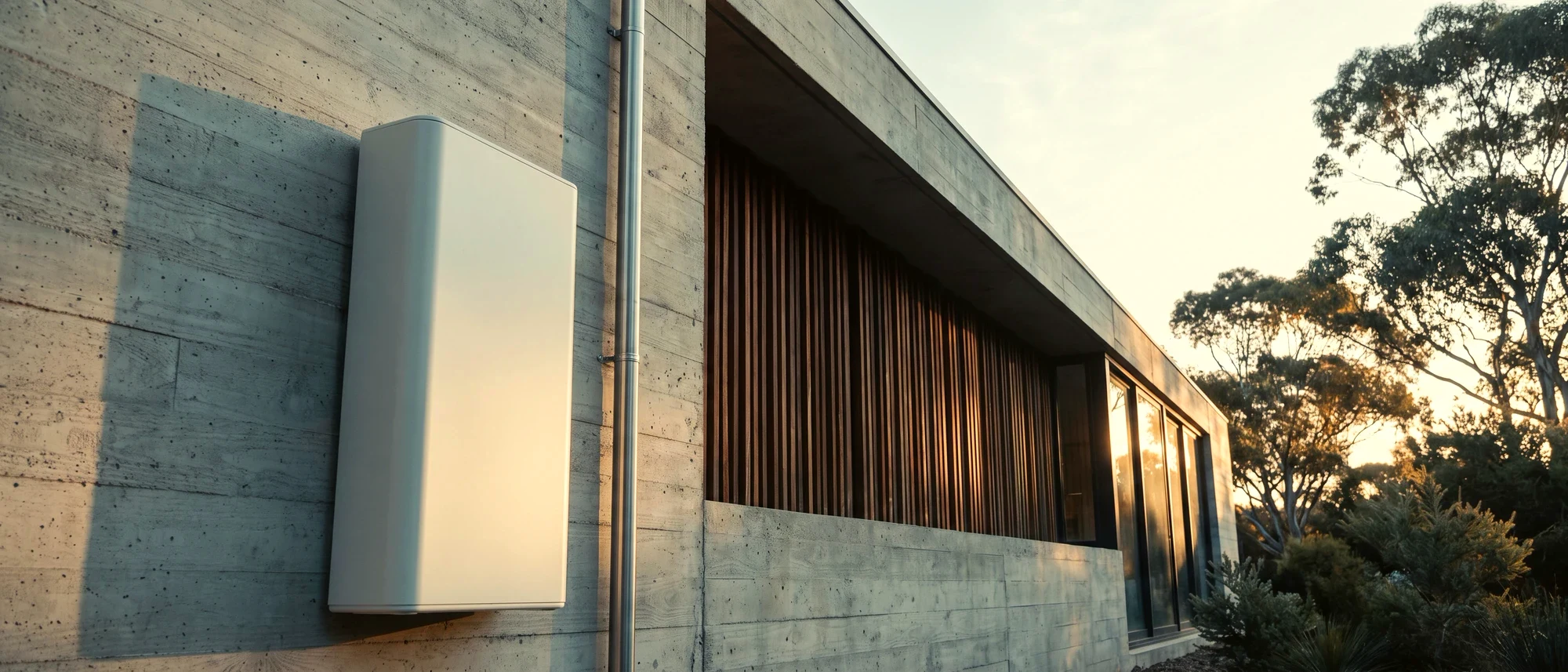
The chemistry in the battery on your wall has a name, and that name is doing more work than the brochure wrapped around it.
What the name means
Lithium iron phosphate is a type of lithium-ion battery. The name describes the cathode, which is the part that differs from one lithium-ion chemistry to the next.
Product sheets usually shorten it to LFP after the first mention.
Naming the chemistry is not decoration. It changes how the battery behaves, how long it lasts and where it is sensible to put it.
Why it ended up on house walls
Thermal behaviour. Lithium iron phosphate is more stable at high temperature than the nickel and cobalt chemistries used where weight is the main constraint. For something bolted to a wall near people, that is the property that matters most.
Materials. It uses no cobalt, which takes a whole supply chain argument off the table.
Cycle life. It is generally specified for more charge and discharge cycles than the chemistries it replaced in this application, which is what makes a 10 year warranty a reasonable thing to write.
What it gives up
Energy density. For the same stored energy, a lithium iron phosphate battery is larger and heavier than the alternatives.
That is why it is not the automatic choice in a car, where every kilogram has to be carried around for the life of the vehicle.
On a garage wall the penalty is space, and space on a wall is usually the one thing a house has spare.
The part the brochure skips
Nominal capacity and usable capacity are different numbers. Usable is the one your evening actually runs on, and it is the one worth writing down when comparing two quotes.
A battery warranty is commonly written two ways at once: a number of years, and an amount of energy moved through the battery. Whichever limit arrives first is the one that ends it.
Neither of those is a chemistry question, which is the point of this piece.
What actually matters when comparing
Is the battery on the Clean Energy Council approved list.1
Is the installation designed and installed to AS/NZS 5139, the standard covering the safety of battery systems used with power conversion equipment.2
Usable capacity, stated plainly, rather than the nominal figure on the front of the sheet.
Both limits on the warranty, not just the number of years.
The chemistry is a reason to trust the shortlist. It is not a way to choose between two batteries already on it.
Sources
- Approved batteries. Clean Energy Council.
- AS/NZS 5139, Electrical installations, Safety of battery systems for use with power conversion equipment. Standards Australia.
We check this for your address
Incentives change, and they change by building, by capacity and by whether there is already solar on the site. Working out which ones apply to you is part of the design, not an extra.