
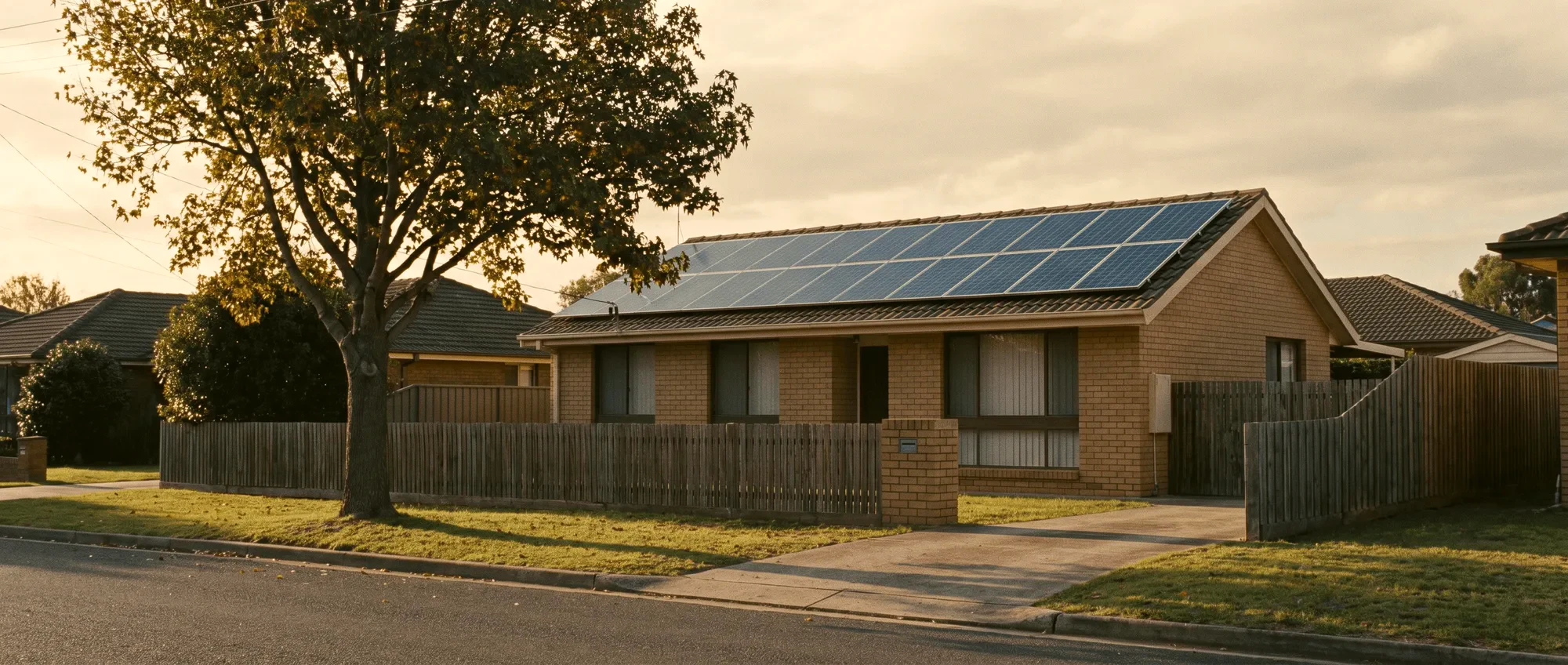
Solar and battery, NSW
Well sourced solar and batteries. Installed by New Ability Energy.
Solar Up buys the equipment at volume as an authorised distributor. New Ability Energy installs it, holds the contract and carries the workmanship warranty for five years. One company sells it, one company is accountable for it, and you know which is which before you commit.
Packages from $9,000 small home, fully installed
Get my free quoteEvery system we sell is installed, contracted and warranted by New Ability Energy.
Who does the work
The company that sells it and the company that installs it are related, and both are named.
Most of this industry runs the other way. You sign with a brand, and somebody you have never heard of arrives on the roof. Here the arrangement is written down before you commit.
-
01
Solar Up sources it
An authorised distributor buying at volume, which is where the price comes from. Solar Up does not hold an electrical licence and does not pretend to.
-
02
New Ability Energy installs it
The parent company. An electrical contractor of ten years, with its own electricians on its own books, not a crew found for the week.
-
03
The contract sits with the installer
New Ability Energy holds the contract on every system Solar Up sells. So the party you would call about the work is the party that did it.
-
04
And so does the warranty
The workmanship warranty runs five years and is carried by New Ability Energy. The panel, inverter and battery warranties stay with their manufacturers, which is normal and worth reading separately.
Reading a quote
Two quotes for the same roof, thousands apart, the same number of panels.
The gap is almost never where people expect. It sits in four places, and three of them are things a quote can leave out without saying so.
-
01
The equipment
Panel and inverter are the obvious lines. The mounting system, the isolators and the cable are the ones nobody lists, and they are not free.
-
02
What is included
Meter changes, switchboard work, longer cable runs, tile or tin specific fixings, scaffolding. If a quote does not mention them, they are a conversation for later.
-
03
Who does the work
Whether the company you sign with employs the people on your roof, or engages them. This is the line that decides who answers in year three.
-
04
The paperwork you end up holding
Certificates, warranty documents, monitoring access, and one number to call. Ask to see the handover pack before you sign, not after.
Ask all three quotes to list what they exclude, not only what they include. The prices tend to move closer together once they do. That is not us asking you to choose us, it is how you compare properly.
The systems
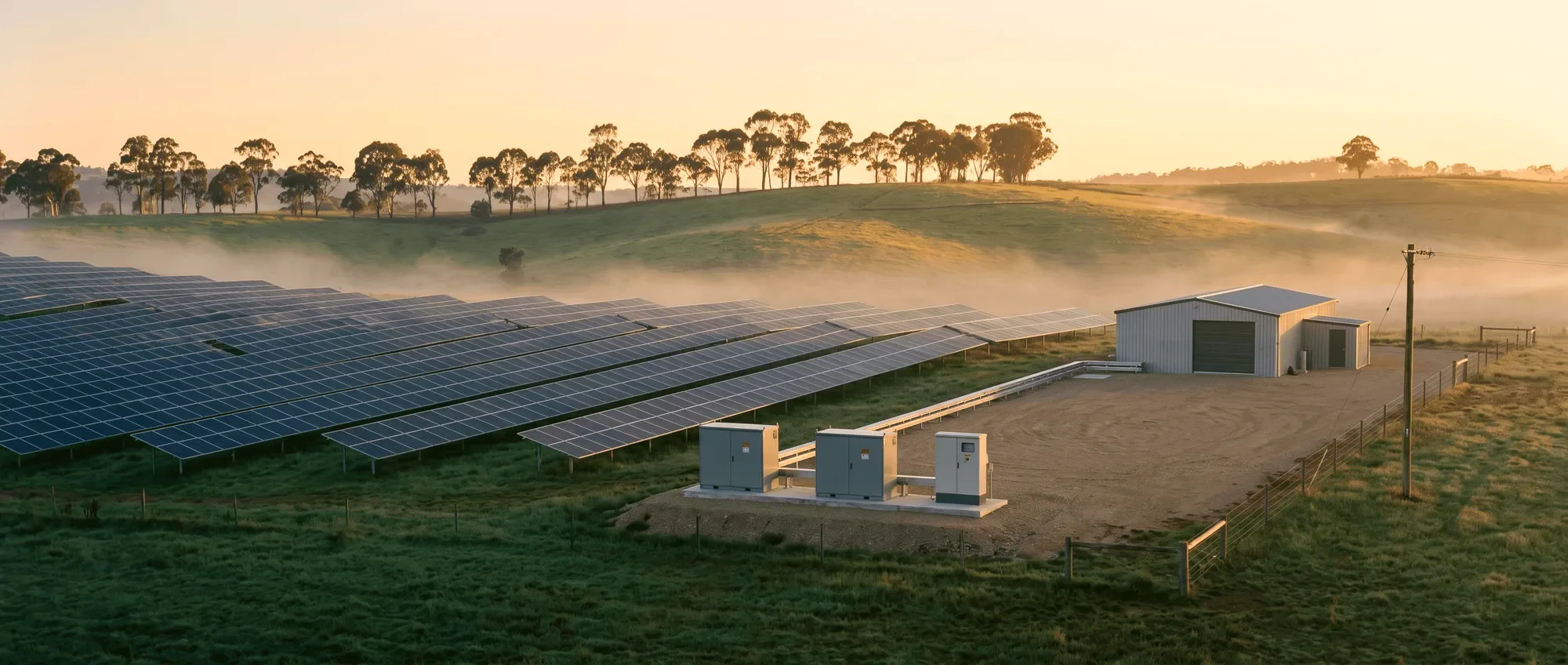
Three packages, sized by how much roof and how much load you actually have.
Each one is a starting point rather than a price you will be held to. What it costs at your address depends on the roof, the tariff and the way the house uses power, which is what the design stage is for.
Storage
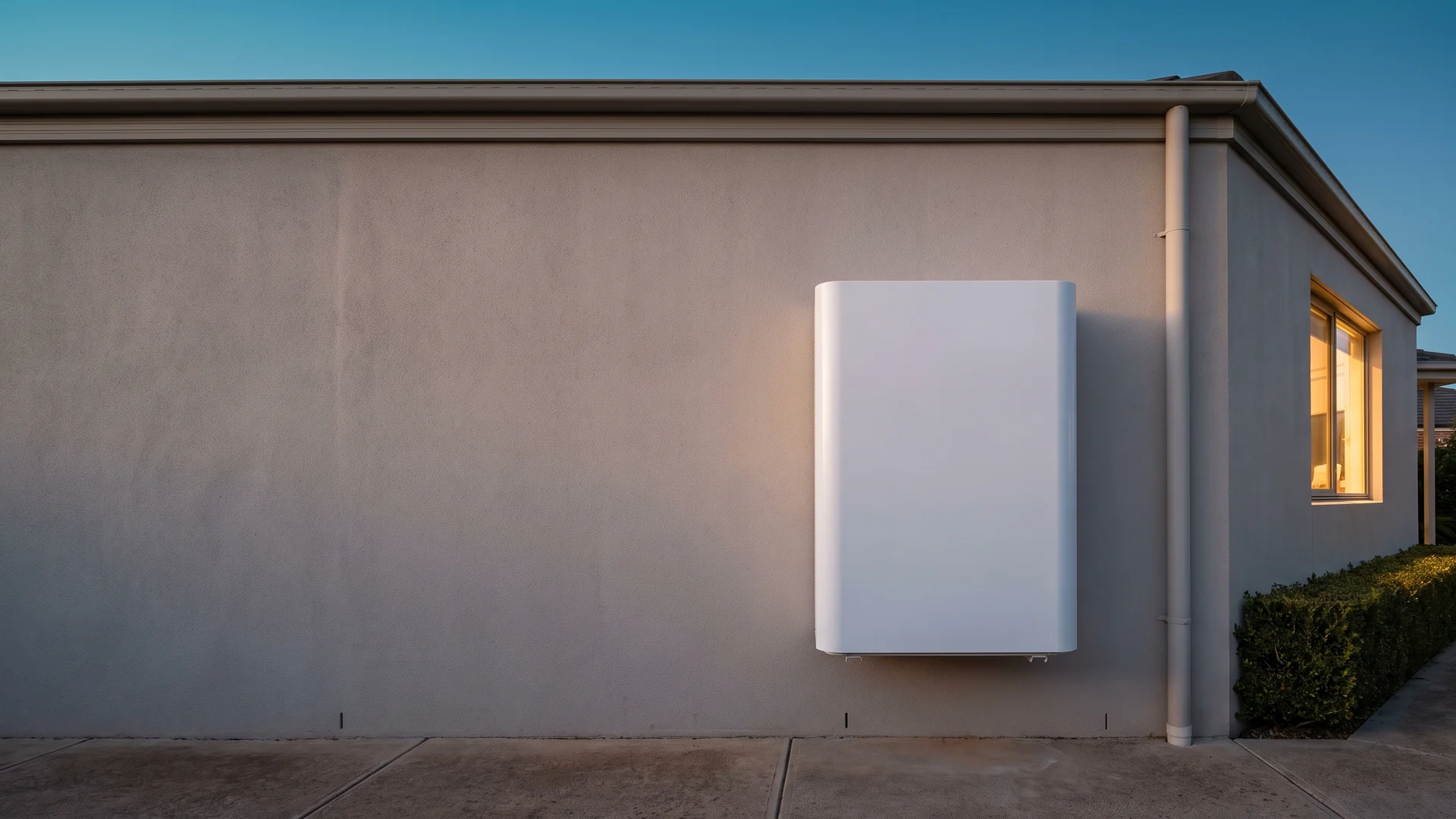
Whether a battery is worth it is a question about your evenings, not your roof.
Solar is priced against what you generate. A battery is priced against what you use after dark, and those are different numbers for every house. Three things decide it.
-
01
Your night load
What the house draws once the sun is off the panels. Price that first, because it sets the useful size of the battery and nothing else does.
-
02
Usable capacity, not nameplate
Nameplate is the number on the box. Usable is what the house actually gets. A quote that states one without the other is not comparable to a quote that states both.
-
03
The export limit
Your network decides how much you are allowed to send back, and the answer changes what a bigger array is worth. It comes back approved, approved with a limit, or needing works first.
The Commonwealth battery discount requires the battery to go in with solar. Existing panels count, and a battery on its own does not qualify. That single line decides whether the quote you are about to ask for is eligible.
Two ways a battery pays for itself
One lowers what you pay for power. The other lowers what you pay on the day.
Both are eligibility questions rather than sales questions, so both end on a short set of questions that tells you where you stand before anybody rings you.
EV charging
The charger, the solar and the board are one job, and pricing them separately is how a project goes wrong.
A charger is a large new load on a board that was sized before anybody owned an electric car. Whether it lands cleanly depends on the same switchboard assessment the solar depends on, which is why we look at both at once rather than coming back for a second visit.
A home charger adds a continuous draw for hours at a time, usually overnight, which is exactly when the solar is not running. So the useful question is not whether the charger fits, it is whether the charger, the battery and the night load together still fit inside the supply you have.
If they do, it is one visit and one set of works. If they do not, the board comes first and everything else follows it. Either answer costs less before the quote than after the install.
The switchboard
The board is where a quote moves, and it is the one thing a photograph of your roof cannot tell us.
An upgrade is not a surcharge somebody invented. It is the difference between a board that can carry what you are adding and one that cannot.
-
01
What we are looking for
Spare ways, the main switch rating, the state of the wiring behind the face, and whether there is a safety switch on every circuit that needs one.
-
02
Why it moves the price
If the board has no room, the solar cannot connect to it. The upgrade is not optional at that point, and a quote that left it out was never the real number.
-
03
How we handle it
It is established by opening the board, not by guessing from the meter box. If an upgrade is needed it appears on the quote as its own line, with what it includes.
What is in it
You get the brand names before you commit, not after.
This is a specification, not a brochure. Every package is built from equipment that meets the same floor, and the exact makes and models are on the quote in writing.
| Panels | Tier 1 and approved by the Clean Energy Council, on every package |
|---|---|
| Battery cells | Lithium iron phosphate |
| Inverter | Named on the quote with its make, model and rating |
| Mounting, isolators and cable | Quoted as line items rather than assumed |
| Workmanship warranty | Five years, carried by New Ability Energy |
| Product warranties | Held by each manufacturer, listed separately on the quote |
A battery warranty is commonly written two ways at once, a number of years and an amount of energy moved through the battery, and both limits matter. We put both on the quote.
Install day
What happens on the day, in the order it happens.
There is no part of this you should have to ask about on the morning. It is the same sequence every time.
-
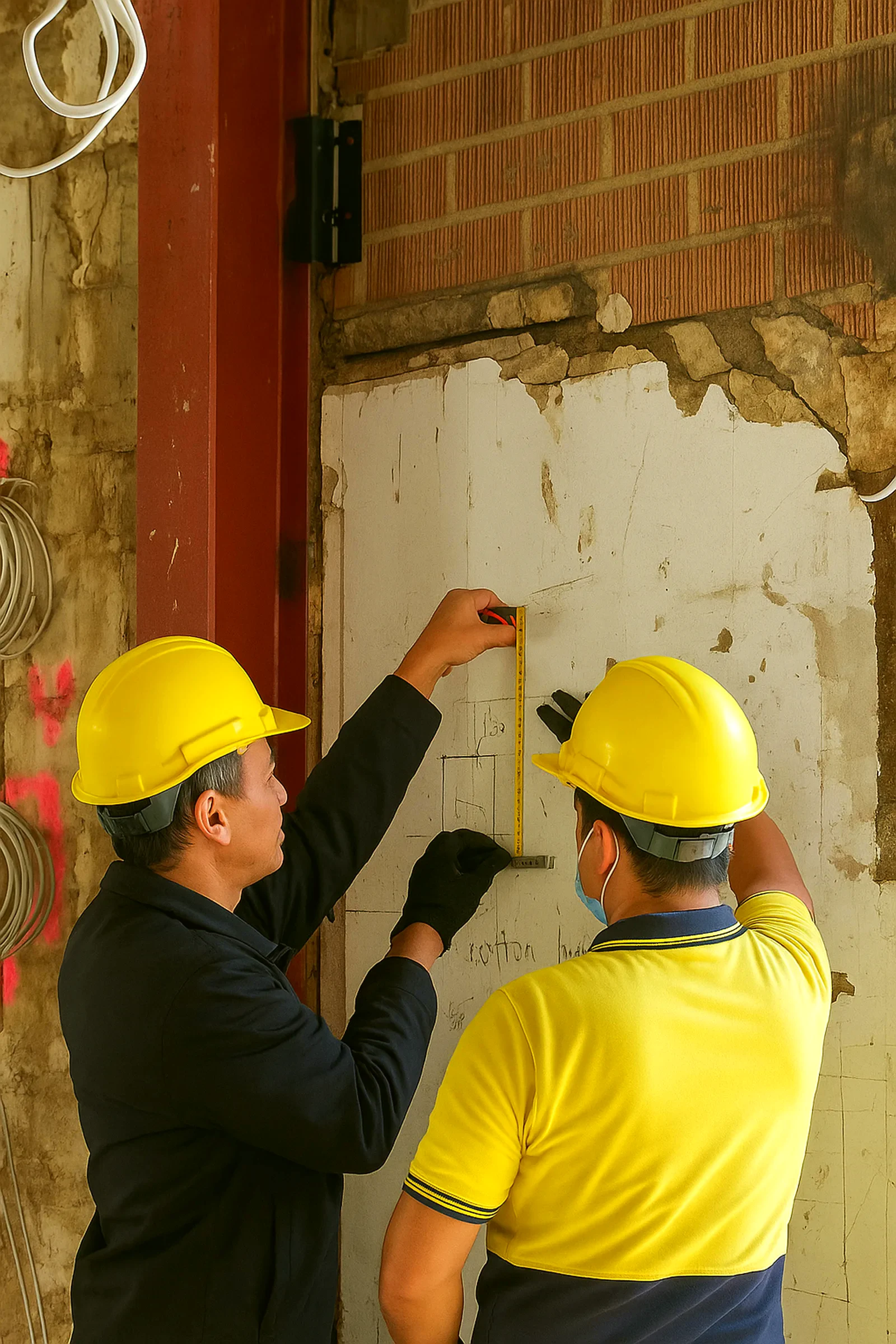 01
You press the button
That is the whole ask. There is no pricing gate and no phone number to hand over before you are allowed to see a number.
-
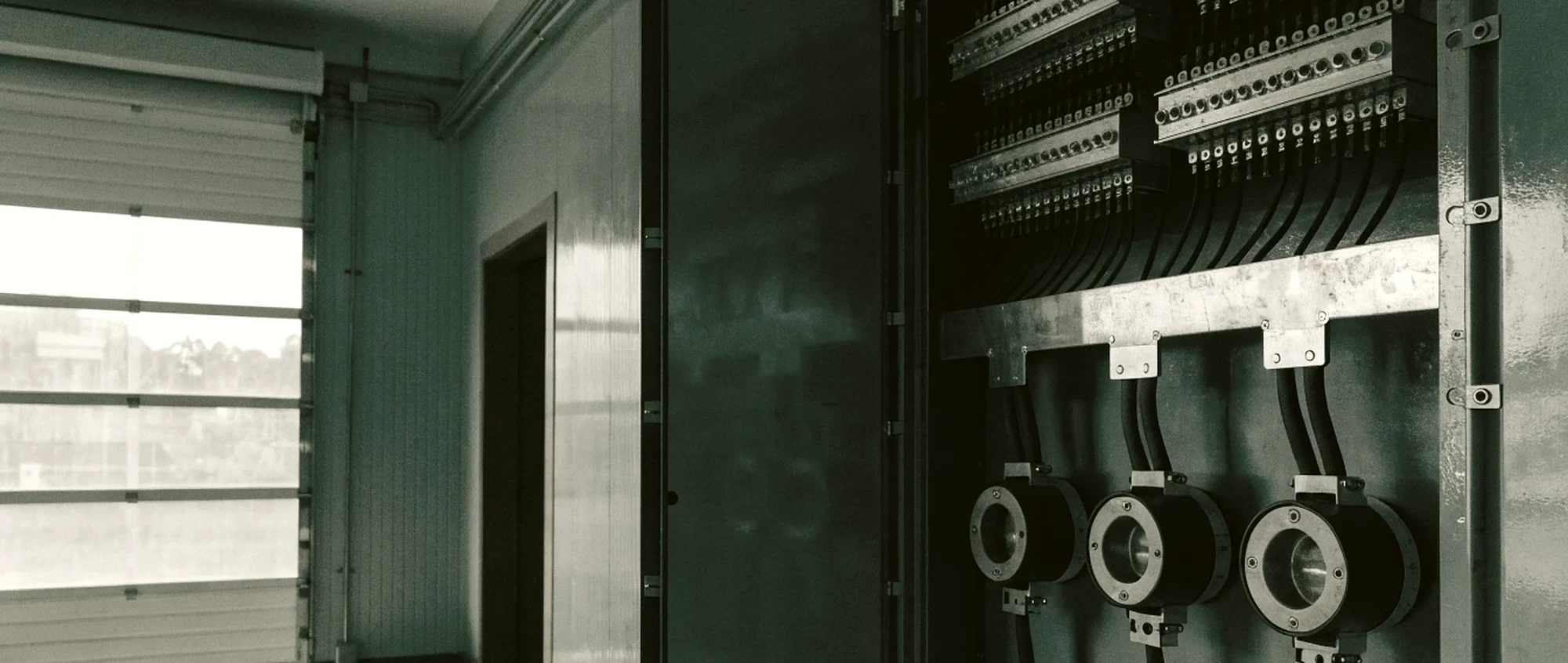 02
We talk, and you send one bill
One conversation to understand the house. One recent bill, because a bill carries how you actually use power rather than how a brochure assumes you do.
-
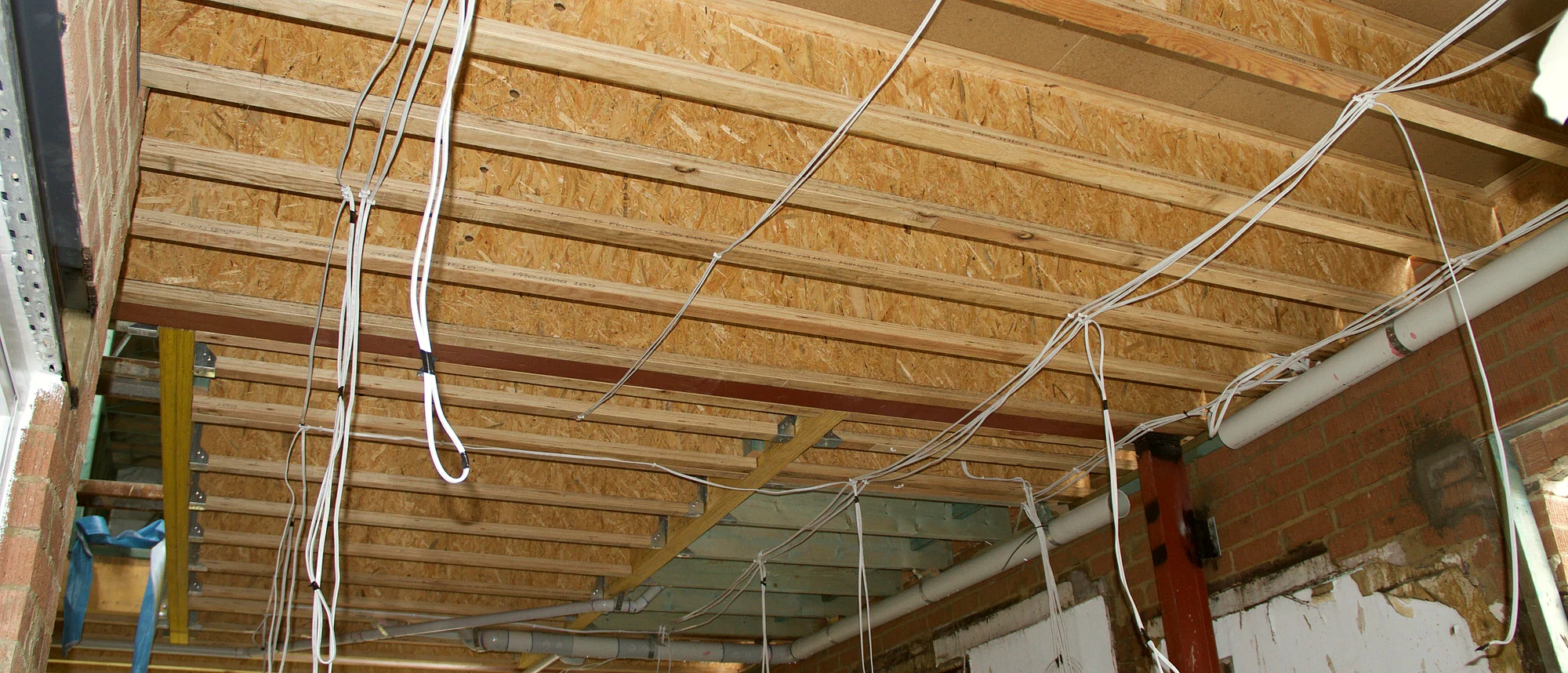 03
We model the design
Your roof, your orientation, your tariff and how you use power through the day. The system is sized against that data rather than against the package you happened to click.
-
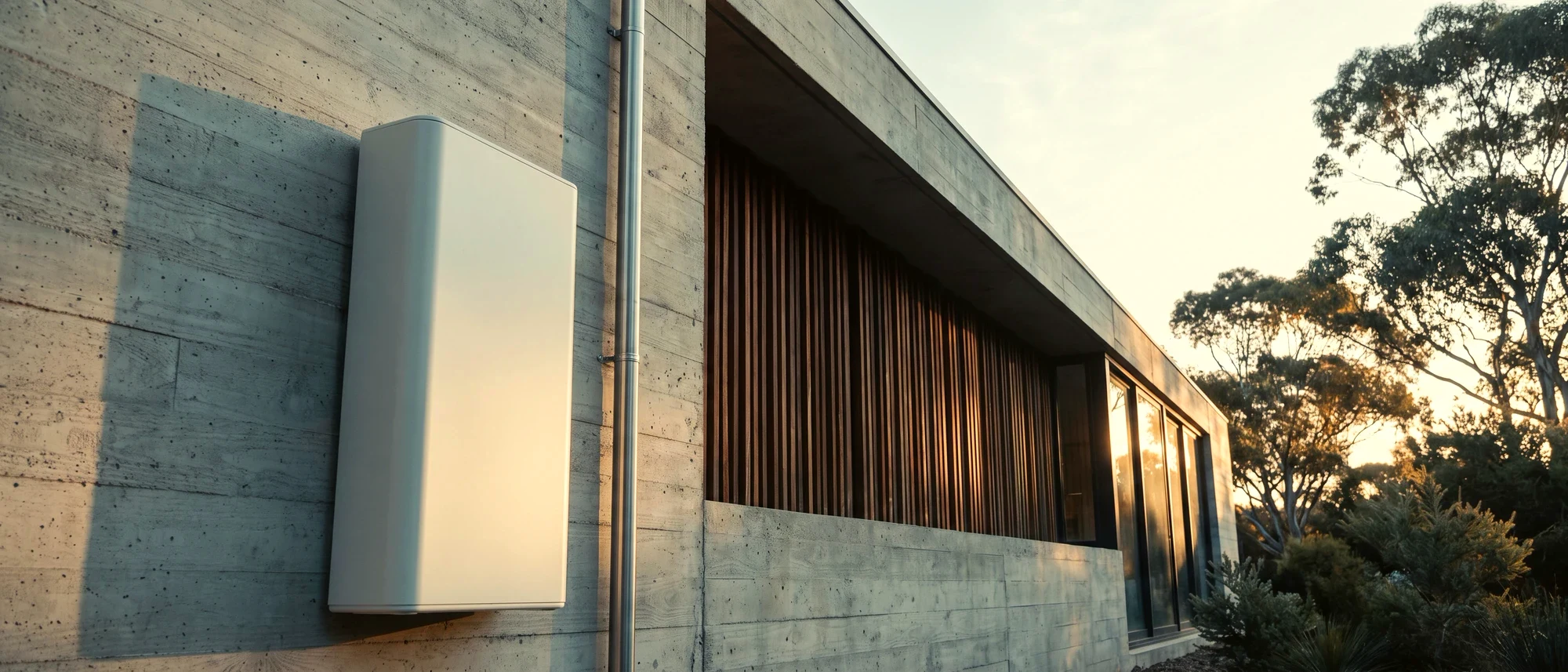 04
Then, and only then, a quote
We walk you through what the design does and what it does not do, in your numbers. If it does not make sense for your house, we will say so.
-
 05
Install day
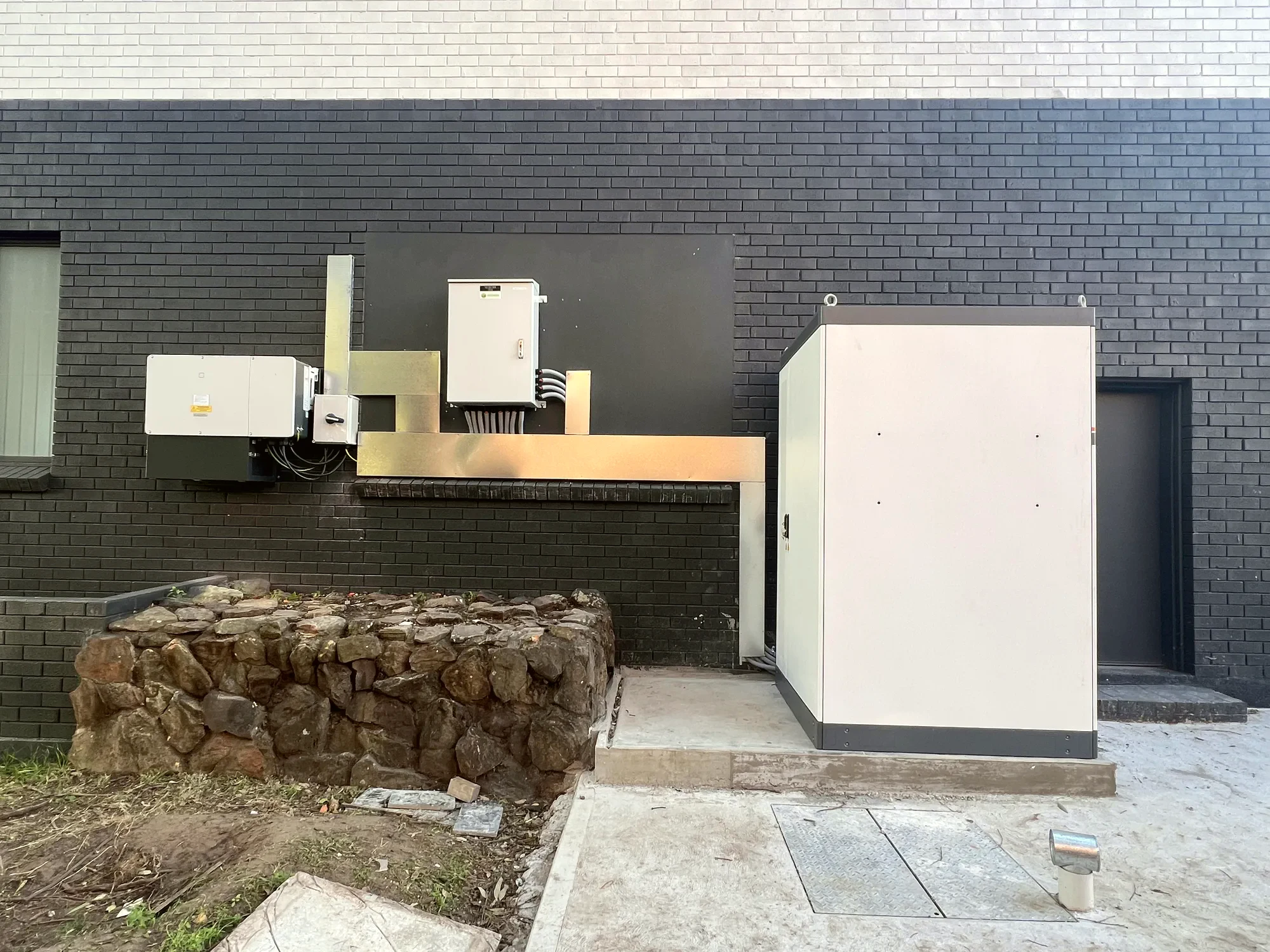
New Ability Energy's own crew, working to one plan. They hold the contract, the licence and the warranty on the finished system.
For a business
A business load is a different problem, and it is the other company's problem.
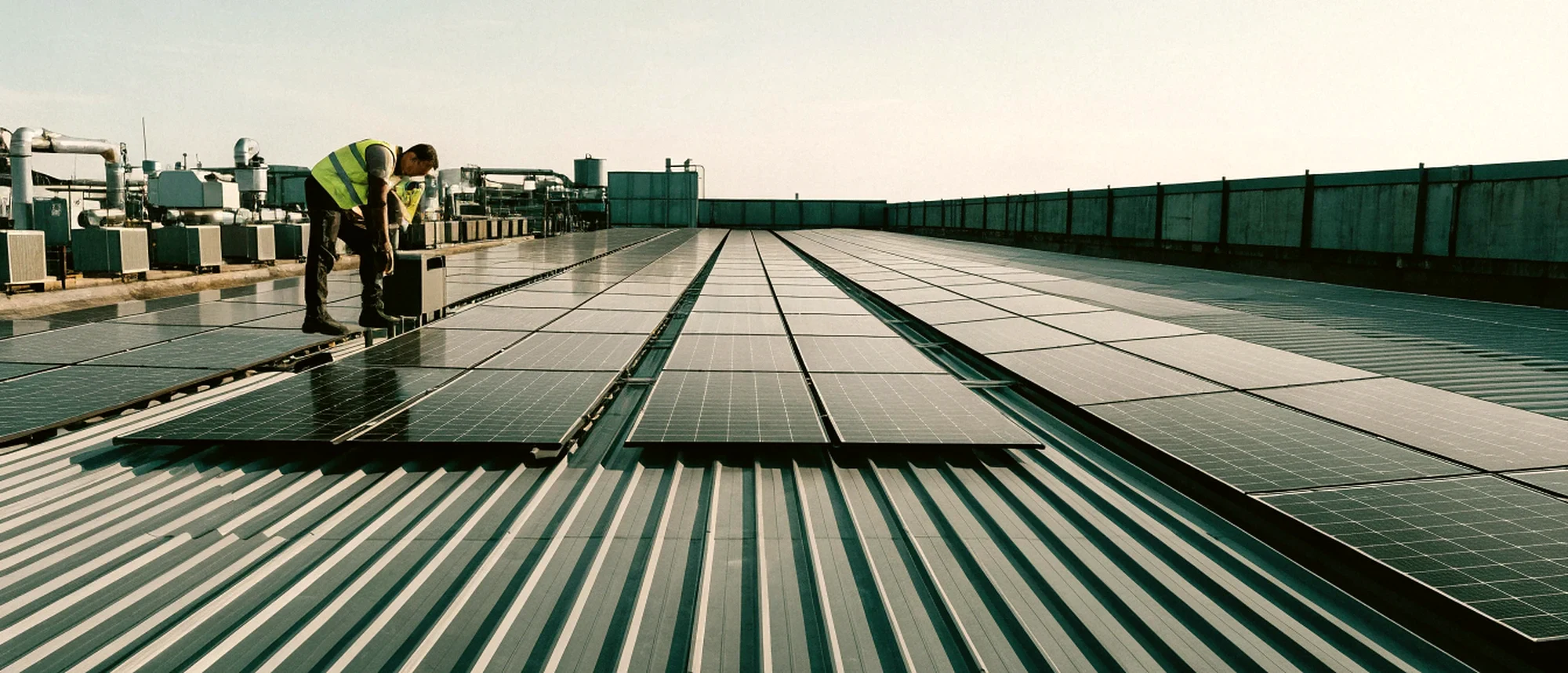
Solar on a commercial site is sized from interval data rather than from a roof, the connection sits with the network rather than with a retailer, and above 100 kW the certificate route changes entirely. That is New Ability Energy's work, not Solar Up's, and sending you there is the shorter answer.
The dividing line is need rather than building type. If it is a home, this page is the right one. If it is a site with a load profile, a switchboard room and a connection agreement, New Ability Energy holds the contract, the accreditation and the engineering for that work.
The ask
Send one bill. We design from how your home actually uses power.
A bill carries the thing a photograph of the roof cannot: when you use power and how much. That is what the system gets sized against. It is optional, and you can send it later.
Send a bill. Get a real number back.
Every system we sell is installed, contracted and warranted by New Ability Energy, an electrical contractor of ten years with its own team of electricians.